The world’s tallest buildings: significance, examples and future trends
Introduction: Why the world’s tallest buildings matter
The world’s tallest buildings capture public imagination and signal economic ambition, technological progress and urban change. From engineering milestones to tourism magnets, these towers influence city skylines, real estate markets and sustainability debates. Understanding why nations and developers pursue extreme height helps readers grasp broader trends in urban planning, design and global competition.
Main body: Facts, examples and driving forces
Definitions and measurement
Tall building classifications used by experts such as the Council on Tall Buildings and Urban Habitat include “supertall” (300 metres and above) and “megatall” (600 metres and above). Height measurements for ranking typically follow architectural top height, excluding antennas unless they are integral to the design.
Notable examples
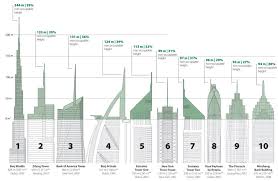
The current longest-standing record-holder is the Burj Khalifa in Dubai, at 828 metres, known for its stepped, tapered form and mixed-use program. Other globally significant towers include Shanghai Tower (632 metres), which combines office, retail and observation spaces; the Makkah Royal Clock Tower (601 metres); Ping An Finance Center in Shenzhen (599 metres); and Lotte World Tower in Seoul (555 metres). These buildings illustrate advances in wind engineering, vertical transportation and mixed-use planning.
Why cities build tall
Developers and cities pursue height for several reasons: land scarcity in dense urban cores, symbolic prestige, concentrated economic activity, and tourism. Tall buildings can maximize floor area on limited land and create high-profile landmarks that attract visitors and tenants. However, they also raise issues around infrastructure, transit, shadowing and social equity.
Engineering, sustainability and technology
Modern tallest buildings rely on innovations in high-strength materials, tuned mass dampers, elevator technology and façade engineering. Recent trends emphasize energy efficiency, passive design, renewable energy integration and resilient systems to address climate and operational costs.
Conclusion: Outlook and significance for readers
The race for height is likely to continue, especially in Asia and the Middle East, but future projects increasingly balance ambition with sustainability and mixed-use value. Proposed megatall projects (for example the planned Jeddah Tower) have highlighted both the possibilities and challenges of ultra-tall construction. For readers, the evolution of the world’s tallest buildings matters not just as spectacle but as a barometer of urban policy, architectural innovation and environmental priorities that will shape cities in coming decades.