When is Holi: Date, Rituals and What to Expect
Introduction: Why knowing when is Holi matters
Holi, the festival of colours, is one of India’s most widely observed cultural and religious celebrations. Understanding when is Holi is important for communities, businesses, schools and travellers because the date varies annually according to the lunar calendar, affecting public holidays, travel plans and planned events. Accurate timing also matters for religious observances such as Holika Dahan and Rangwali Holi.
Main details: How the date is determined and what happens
How the date is set
Holi is set by the Hindu lunisolar calendar and falls on the full moon (Purnima) of the month of Phalguna (Phalgun). Because the lunar month does not align exactly with the Gregorian calendar, Holi typically occurs in February or March each year. The main public celebration, often called Rangwali Holi, takes place on the day of the full moon, while the night before is observed as Holika Dahan — a ceremonial bonfire symbolising the triumph of good over evil.
Regional variations and observances
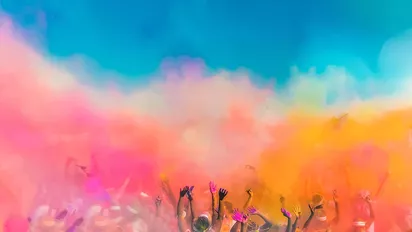
Observance of Holi can differ across India and in the diaspora. In many parts of North India, the emphasis is on throwing coloured powders and water, singing and community gatherings. In places such as Vrindavan and Mathura, celebrations can last over a week with processions and temple rituals. In eastern India, similar spring festivals occur with local customs. Some regions also observe an additional festival, Dol Purnima or Dol Jatra, tied to the same lunar timing but with different traditions.
Practical implications
Because the date shifts each year, organisers and individuals check lunar calendars or official government holiday notifications to confirm the exact day. Holika Dahan (the bonfire ceremony) typically precedes the colourful celebrations and is often observed the evening before Rangwali Holi.
Conclusion: What readers should take away
In summary, when is Holi cannot be fixed to a single Gregorian date — it is determined by the Phalguna full moon and usually falls in February or March. For planning travel, public events or religious observance, consult the current year’s Hindu calendar or local authorities for the confirmed date. The festival’s timing continues to unite communities each year in rituals, colours and a welcome celebration of spring.


