Victorian Diseases: A Historical Perspective on Public Health
Introduction
Victorian diseases refer to various health issues that plagued society during the Victorian era, particularly in the 19th century. Understanding these diseases is crucial, as they laid the groundwork for modern public health policies and medical advancements. As we navigate the current global health landscape, reflecting on past epidemics, such as cholera, tuberculosis, and smallpox, provides valuable insights into managing today’s health crises.
Main Body
Cholera Epidemics
One of the most notorious diseases of the Victorian era, cholera, led to several outbreaks across Europe and India. The first cholera pandemic began in 1817 and continued into the 19th century, causing widespread death and fear. Public health responses, including improved sanitation and the establishment of clean water supplies, were direct results of these outbreaks.
Tuberculosis and Respiratory Diseases
Tuberculosis (TB) was another major health crisis during this period, often referred to as ‘consumption.’ The unsanitary living conditions in overcrowded urban areas exacerbated the disease’s spread. The Victorian response included the establishment of sanatoria and increased awareness about the importance of fresh air and proper nutrition, leading to better care methods that continue to influence health policies today.
Impact of Smallpox
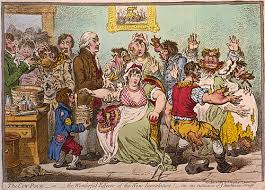
Smallpox also claimed countless lives during this time. The introduction of vaccination by Edward Jenner in 1796 began to change the trajectory of this illness, but it took decades for widespread vaccination to be adopted. The public campaigns for vaccination started during the Victorian era played a pivotal role in eventually eradicating smallpox, which serves as a benchmark for current vaccination programs worldwide.
Conclusion
Reflecting on the impact of Victorian diseases highlights the importance of public health innovations that emerged from necessity. The connections between past and present health crises illustrate the need for preparedness, understanding the socio-economic factors influencing disease spread, and ensuring equitable access to healthcare. As India continues to grapple with various health challenges, including those posed by emerging infectious diseases, lessons from the Victorian era remain ever relevant. Monitoring historical health patterns can help guide current and future health policies, making it imperative for today’s leaders to learn from the past.


