Understanding the Dynamics of Balochistan
Introduction
Balochistan, the largest province of Pakistan by land area, has been a focal point of geopolitical importance and regional instability. The area’s rich natural resources, including minerals and natural gas, have drawn attention not just within the country but also internationally. Understanding the complexities surrounding Balochistan is critical, considering its impact on regional security and economic development.
Current Situation in Balochistan
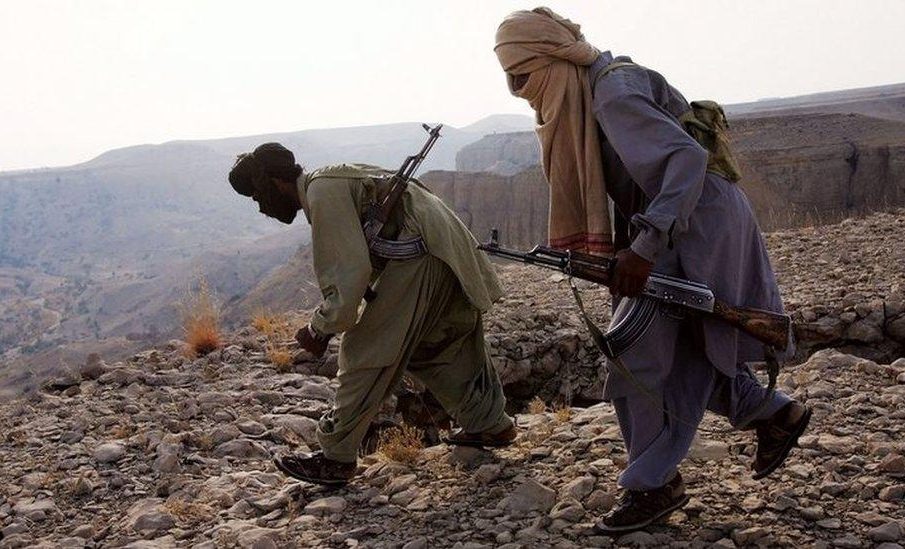
In recent months, Balochistan has faced escalating violence and unrest. Reports indicate a surge in incidents involving separatist groups demanding autonomy or independence from Pakistan. These groups have been increasingly active, leading to clashes with law enforcement agencies and posing challenges to both regional stability and national security. The Pakistani government has implemented numerous security operations in an attempt to bring law and order back to the province, yet the underlying issues remain largely unresolved.
Furthermore, socio-economic conditions in Balochistan continue to be dire. With one of the lowest literacy rates in Pakistan and a lack of basic infrastructure, local populations live amid poverty and despair. The provincial government, with help from the federal administration, has initiated various projects aimed at improving healthcare, education, and economic opportunities, but progress has been slow.
International Attention and Strategic Importance
Balochistan has garnered international attention, particularly because of the China-Pakistan Economic Corridor (CPEC), a significant infrastructure project linking Gwadar Port in Balochistan to China’s Xinjiang region. This project aims to enhance connectivity and spur economic growth, but it has also raised concerns among local communities regarding resource distribution and environmental impacts. The global interest in Gwadar Port also ties into broader geopolitical strategies, with countries like India closely monitoring developments in the region.
Conclusion
In conclusion, Balochistan remains a region of great complexity, reflecting a mix of rich resources, cultural diversity, and ongoing strife. As the national and provincial governments work to address the pressing issues within Balochistan, it is vital for the international community to engage in constructive dialogue aimed at achieving sustainable peace and development. The outcome of these efforts will not only shape the future of Balochistan but may also significantly affect the stability of neighboring regions and the broader geopolitical landscape.