Understanding Flight Radar Technology and Its Importance
Introduction
Flight radar technology plays a crucial role in modern aviation, providing real-time tracking of aircraft movements around the globe. This technology is essential for both air traffic management and the safety of passengers and crew. As global air travel continues to increase, the significance of flight radar systems has never been more apparent, making it a topic of immense relevance in today’s fast-paced aerial environment.
What is Flight Radar?
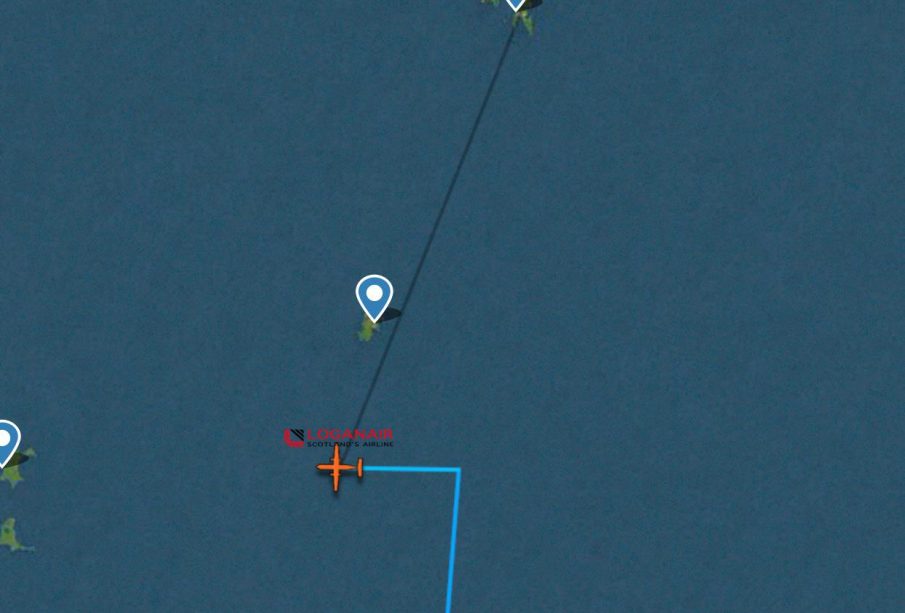
Flight radar refers to the systems and technologies used to monitor the position, speed, and altitude of aircraft in real time. These systems utilize a combination of radar, satellite signals, and transponder data, allowing air traffic controllers and aviation enthusiasts to track flights as they take off, cruise, and land.
How Flight Radar Works
Flight radar systems work primarily through two methods: primary radar and secondary surveillance radar (SSR). Primary radar sends out radio frequency signals that bounce off an aircraft, providing its location. In contrast, SSR relies on transponders on the aircraft that send back data in response to radar signals, which can include altitude, speed, and aircraft identification.
Furthermore, the introduction of Automatic Dependent Surveillance-Broadcast (ADS-B) technology has enhanced flight tracking accuracy. ADS-B allows aircraft to broadcast their location to ground stations and other aircraft using GPS data, contributing to more precise and accessible flight information.
Recent Developments and Events
In recent years, flight radar has seen significant advancements, particularly in the integration of technology such as Artificial Intelligence (AI) to predict flight paths and identify potential collisions. Additionally, many flight tracking services are now available to the public, including websites and mobile applications that provide updates on flights in real time. The rise in popularity of these services has transformed how individuals and businesses monitor air traffic.
Conclusion
As air traffic continues to grow, flight radar technology will remain a vital component of aviation safety and efficiency. The ability to track flights in real-time not only enhances situational awareness for pilots and air traffic controllers but also improves the overall traveling experience for passengers. With ongoing advancements in technology, the future of flight radar looks promising, paving the way for safer skies and more efficient travel patterns. Understanding these systems can empower travelers and industry professionals alike to make informed decisions in the air travel landscape.


