The Historical and Cultural Significance of Somnath Temple
Introduction
Somnath Temple, located in the Prabhas Kshetra near Veraval in Saurashtra, Gujarat, is one of the most revered and ancient temples in India. It holds immense religious significance as it is considered to be one of the twelve Jyotirlingas of Lord Shiva. The temple’s historical legacy, architectural grandeur, and its role in preserving cultural heritage make it an essential site for pilgrims and historians alike.
Historical Background
The construction of the original Somnath Temple is attributed to ancient times, with its first consecration believed to have occurred in the 5th century CE. Over the centuries, the temple has been destroyed and rebuilt multiple times, most notably by Mahmud of Ghazni in the 11th century and later by several Indian rulers. The current structure was rebuilt in 1951 after Indian independence, emphasizing its symbolic significance for national identity.
Architectural Marvel
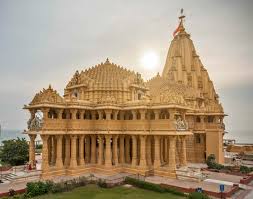
The temple showcases stunning architecture featuring intricate carvings and craftsmanship typical of the Chalukya style. The main shrine stands tall, adorned with detailed sculptures, depicting various deities and mythological stories. The temple’s serene surroundings, nestled by the Arabian Sea, add to its aesthetic beauty, attracting tourists from all over the world.
Religious Significance
As a pilgrimage site, Somnath Temple draws devotees who come to worship and seek blessings. Major festivals like Maha Shivaratri and Navratri create a vibrant atmosphere filled with spiritual fervor. Additionally, the temple’s unwavering spirit and resilience symbolize the Indian ethos of devotion and faith, connecting individuals with their cultural roots.
Recent Developments
In recent years, the Indian government has taken initiatives to enhance the infrastructure around Somnath Temple, making it more accessible to visitors. This includes improved roads, accommodation facilities, and guided tour services that cater to both domestic and international tourists. The temple is expected to see an increase in footfall, promoting local tourism and contributing to the economy.
Conclusion
Somnath Temple remains a beacon of faith, culture, and resilience in India. Its rich history and architectural splendor reaffirm its status as a vital pilgrimage site. As the government focuses on enhancing tourism in the region, the temple’s significance is likely to grow, drawing more visitors and fostering a deeper appreciation for India’s spiritual heritage.


