Sridhar Vembu: The Visionary Behind Zoho’s Success
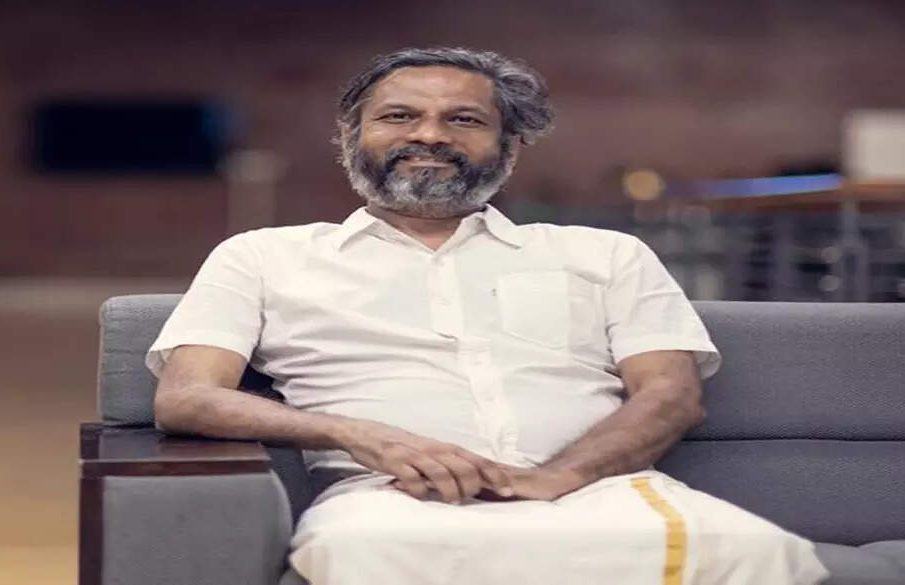
Introduction
Sridhar Vembu, the founder and CEO of Zoho Corporation, stands as a prominent figure in the Indian tech industry. His vision to create a self-sustaining software company in India has revolutionized the way technology is developed and utilized in businesses, making him a pivotal character in the narrative of India’s rise as a technology hub.
Early Life and Education
Born in 1968 in Tamil Nadu, Sridhar Vembu showed an early affinity for technology and mathematics. He completed his Bachelor’s degree in Engineering from the Indian Institute of Technology (IIT), Madras, before pursuing a Ph.D. in electrical engineering from Princeton University. His academic background laid the foundation for his future innovations.
The Birth of Zoho
Founded in 1996, Zoho began as a small startup yet quickly grew into a global player in the software-as-a-service (SaaS) market. Vembu’s commitment to building products that cater specifically to the needs of small and medium enterprises (SMEs) allowed Zoho to carve out a unique niche in an industry that has often overlooked these businesses. Today, Zoho offers a wide range of applications, from customer relationship management (CRM) to project management and accounting.
Innovation and Growth
Under Vembu’s leadership, Zoho has emphasized innovation and customer-centric solutions. The company has adopted a bootstrapping approach, remaining profitable since its inception, which Vembu attributes to not relying heavily on external funding. This financial independence has allowed Zoho to innovate freely and make decisions that prioritize customer satisfaction without the pressure of meeting investor expectations.
Impact on the Tech Ecosystem
Sridhar Vembu is not only known for his role in leading a successful company but also for his commitment to nurturing the Indian software ecosystem. He has been an advocate for local talent and has encouraged the formation of networks that help startups grow. Vembu’s initiatives, like the educational programs aimed at rural areas and his emphasis on remote work, have gained attention and respect globally, especially in light of the recent shifts towards remote working landscapes.
Conclusion
As India continues to expand its footprint in the global technology sector, leaders like Sridhar Vembu are crucial in shaping the future. His journey exemplifies the possibilities that lie ahead for entrepreneurs in India. With the ongoing advancements in technology and an increased focus on local empowerment, the story of Zoho and its founder will remain significant for those looking to understand the dynamics of the tech industry in India. Vembu’s steadfast vision reinforces the belief that innovation can thrive when grounded in a deep understanding of customer needs and a robust sense of community.