Recent Rulings and Developments in the Supreme Court of India
Introduction
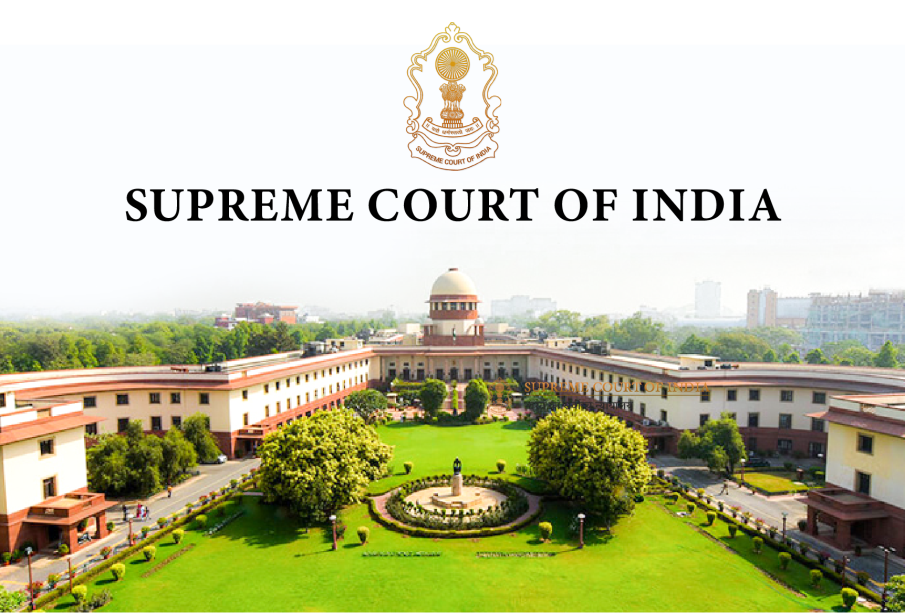
The Supreme Court of India plays a pivotal role in upholding the Constitution and ensuring justice in the country. As the apex court, its decisions significantly shape the legal landscape, impacting citizens and governance alike. Recent rulings and developments from the court highlight its ongoing influence and engagement with pressing societal issues.
Significant Rulings
In the past few months, the Supreme Court has issued several landmark judgments. A significant ruling was made on the validity of the Electoral Bonds scheme, where the court scrutinized its implications on electoral transparency and democratic integrity. The court emphasized the need for a balancing act between political financing and accountability, stressing that unchecked funding could threaten the very fabric of democracy.
Moreover, the Supreme Court has been actively addressing issues of personal liberty and human rights. In a recent case concerning the rights of prisoners, the court reiterated that the right to life enshrined in Article 21 of the Constitution extends to all, including those incarcerated. This decision underscores the court’s commitment to upholding fundamental rights, even in the context of punitive measures.
Engagement with Social Issues
The Supreme Court’s engagement with critical social issues like gender justice is also noteworthy. A recent judgment upheld the rights of women to enter religious places, thereby dismantling discriminatory practices. This ruling not only showcases the court’s role in advancing gender equality but also reflects the changing societal norms in contemporary India.
Looking Ahead
As we move forward, the Supreme Court continues to stand as a beacon of hope and justice for the citizens of India. The significance of its upcoming sessions will be closely monitored, particularly in relation to pending cases that could redefine legal principles in various domains. Legal experts and civil society members are advocating for reforms that would enhance the court’s operational efficiency and ensure timely justice delivery.
Conclusion
The Supreme Court of India remains at the forefront of safeguarding constitutional values and addressing contemporary issues. Its rulings influence governance, civil rights, and social equity, shaping the nation’s legal landscape. As the court gears up for more significant challenges, its capacity to adapt and address emerging issues will be crucial for maintaining public trust in India’s judicial system.


