Pondicherry: Heritage, Spirituality and Coastal Challenges
Introduction: Why pondicherry matters
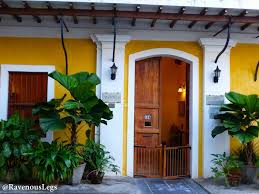
Pondicherry, the capital and most populous city of the Union Territory of Puducherry, is important for its layered cultural heritage, coastal tourism and unique administrative history. Often called the “French Riviera of the East,” the city combines French colonial architecture with Hindu spiritualism and attracts both tourists and researchers interested in post‑colonial legacies, multilingual governance and coastal ecology.
Main body: History, administration and attractions
Administrative profile and history
The Union Territory of Puducherry was formed from four former French Indian territories: Pondichéry (now Puducherry), Karikal (Karaikal), Mahé and Yanaon (now Yanam), excluding Chandannagar. The de facto transfer of these French territories to the Indian Union took place on 1 November 1954 and established the territory as Pondicherry (now Puducherry). Puducherry is the 29th most populous of India’s 36 states and union territories and is the third most densely populated union territory. The district containing the city is an enclave within Tamil Nadu and serves as the capital of the union territory.
Languages and cultural policy
In 1963 the Pondicherry representative assembly voted to continue French as an official language and to include other languages spoken locally — Tamil, Telugu and Malayalam — along with English and Hindi. This multilingual policy reflects the territory’s Franco‑Indian past and its diverse linguistic communities.
Tourism, spirituality and urban character
Pondicherry’s seafront promenade, colonial-era landmarks and spiritual centers define its public image. Notable sites include Promenade Beach, Manakula Vinayagar Temple, Sri Aurobindo Ashram, the Matrimandir in Auroville, Aayi Mandapam, the Pondicherry Lighthouse, the Basilica of the Sacred Heart of Jesus, the French War Memorial and the Mahatma Gandhi statue along Beach Road. Travel writers describe the city as a vibrant mix of Hindu spiritualism and a south‑of‑France aesthetic, making it a distinct destination in South India.
Environmental concerns
The city’s seawall has contributed to beach erosion that has migrated northward, affecting fishing villages in Puducherry and neighbouring Tamil Nadu. This coastal change poses challenges for local communities and planners.
Conclusion: Significance and outlook for readers
Pondicherry remains significant as a living example of colonial legacy, spiritual tourism and multilingual governance. For visitors, researchers or residents, the city offers cultural depth and seaside appeal, while also highlighting the need for careful coastal management and heritage conservation as it navigates modern pressures.


