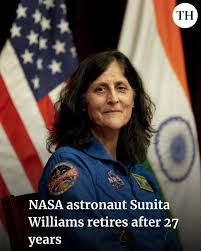
NASA astronaut Sunita Williams retires after 27-year career
Introduction: Why this retirement matters
The retirement of NASA astronaut Sunita (Suni) Williams marks the end of a high-profile 27-year career at the U.S. space agency. As an Indian-origin astronaut with multiple long-duration flights to the International Space Station (ISS), Williams became a visible figure for human spaceflight, women in space and international collaboration. Her departure is relevant to followers of NASA’s commercial crew transitions and to observers tracking the evolving composition of the astronaut corps.
Main developments and career highlights
Official retirement and service record
NASA announced this week that Suni Williams retired from the agency, effective Dec. 27, 2025, concluding a 27-year tenure. Agency notices and media reports state Williams completed three space missions during her career, contributing to long-duration ISS operations, scientific work and international partnerships aboard the orbiting laboratory.
Final mission and return
Williams’ final foray to orbit drew wide attention. Reports describe her last mission as a crewed test of Boeing’s Starliner capsule, a flight widely reported as troubled. Media coverage notes Williams and fellow NASA astronaut Butch Wilmore returned months earlier, splashing down off Florida’s coast in March 2025 after concluding the mission. Commentators have likened the timing of Williams’ departure to earlier transitions in the agency following test flights of new commercial crew vehicles.
Public and media response
International and Indian media outlets covered the retirement, highlighting Williams’ role as a prominent Indian-origin astronaut and her ISS legacy. Coverage emphasized both her operational contributions and symbolic importance for representation in STEM and space careers.
Conclusion: Legacy and implications
Suni Williams leaves NASA at a moment of transition in U.S. crewed spaceflight, as commercial providers and NASA refine operations and testing. Her three missions and long service underline the continuity of human presence in low Earth orbit and the growing role of mixed public–private flight programs. For readers, Williams’ retirement is a reminder of the generational change within astronaut ranks and the ongoing challenges and scrutiny surrounding new crewed spacecraft. Her career is likely to remain a reference point in discussions of women in space, international heritage among astronauts, and the operational lessons from early commercial crew test flights.


