Khush Lohri 2026: Celebrating the Festival of Harvest and Joy
Introduction
Lohri is an important festival in Punjab, celebrated with great enthusiasm every year, marking the harvesting season. In 2026, Lohri will be celebrated on January 13, ushering in a time of joy, warmth, and community bonding. This festival symbolizes the end of winter and the arrival of longer days, making it significant for farmers and families alike.
The Significance of Lohri
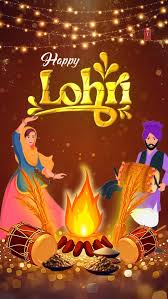
Lohri is not just a festival, but a cultural symbol that brings people together. Traditionally, it celebrates the harvest of sugarcane, marking the beginning of the Punjabi new year. This festival is dedicated to the sun god, and families pay homage by lighting bonfires, singing folk songs, and dancing the Bhangra and Gidda around the flames. The festival also reinforces the spirit of unity among communities, as people often come together to celebrate, exchange sweets, and share festive meals.
How Lohri is Celebrated
In 2026, Lohri celebrations are expected to be grand, especially in rural areas where the festival is deeply rooted in tradition. Preparations for the festival usually begin weeks in advance, with families cleaning their homes, preparing special dishes, and gathering wood for the bonfire. On the eve of Lohri, people gather around the bonfire, throw in sesame seeds, jaggery, and popcorn while chanting boisterous Lohri songs. Families often prepare different delicacies like ‘gurdh’ (jaggery), ‘rewri’ (sweets), and ‘makki di roti’ (cornbread) to relish during the celebrations.
Community Celebration
In urban areas, Lohri celebrations may take on a slightly different look, with public events, concerts, and fairs organized by local governments or community centers to promote cultural heritage. Schools and workplaces often host Lohri-themed events, promoting a sense of community and shared culture. Special Lohri fairs showcasing traditional crafts, food, and performances are also popular, giving people a chance to experience the festive spirit more widely.
Conclusion
The Lohri of 2026 promises to be a vibrant celebration infused with tradition, culture, and joy. As families and communities come together to enjoy this festival, it will not only strengthen bonds but also preserve the rich cultural heritage of Punjab. For readers, embracing the spirit of Lohri offers a chance to reconnect with these traditions, whether through participating in celebrations, enjoying traditional foods, or simply sharing in the happiness with others. In a rapidly changing world, the essence of festivals like Lohri remains a vital reminder of community, family, and the joy of togetherness.

