Inside The Boys: Vigilantes Taking On Corrupt Superheroes
Introduction: Why the Boys matter
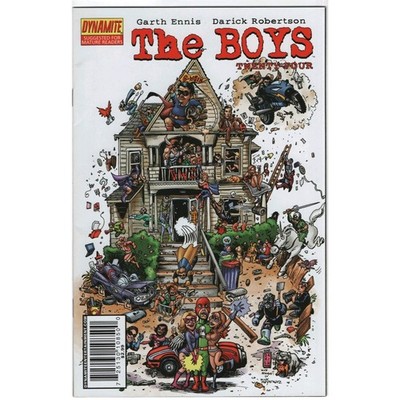
The narrative of the boys is significant because it reframes the superhero genre as a confrontation between unchecked power and civilian accountability. The story, rooted in the New York Times–selling comic by Garth Ennis and Darick Robertson, has been adapted for television and expanded the conversation about corporate influence, political power and media manipulation. As fictional events like Victoria Neuman’s rise toward the Oval Office and Homelander’s consolidation of authority show, the stakes extend beyond spectacle to questions about governance and public safety.
Main developments and background
Origins and mission
According to available sources, the boys began as a black ops team of vigilantes operating under CIA auspices with a clear mission: to bring down Vought International and expose The Seven, the elite superhero team managed by the multibillion-dollar conglomerate. Their goal is to reveal Vought’s cover-ups and hold superpowered individuals accountable for abuses of power.
Adaptation and production
The television adaptation (2019–2026) has been documented across industry listings, noting appearances by actors such as Antony Starr and spanning multiple seasons and episodes. The show’s adaptation draws directly from the Ennis and Robertson comics, with the original creators serving as executive producers. The series development credits include showrunner and executive producer Eric Kripke, with Levin and Jason Netter also listed as executive producers. Promotional materials and studio pages emphasize the series’ focus on the seemingly powerless confronting the super powerful.
Current plotlines and context
Recent developments in the televised storyline highlight a tightening political and social pressure: Victoria Neuman’s proximity to the presidency and Homelander’s increasing influence create an urgent environment for the boys. The narrative frames these threats as systemic—rooted in corporate interests and public deception—requiring coordinated action from the vigilantes to prevent further abuses.
Conclusion: Significance and outlook
The boys resonate because they combine genre entertainment with socio-political critique. As the televised arc progresses, the focus remains on exposing institutional corruption and the moral complexities of vigilantism. For viewers and readers, the series raises questions about accountability in a world where power is privatized and celebrity shields wrongdoing. Going forward, developments around key figures and corporate entities such as Vought will determine whether the boys can translate their revelations into lasting change or are outmatched by entrenched systems of power.


