Exploring TNSTC: Tamil Nadu State Transport Corporation
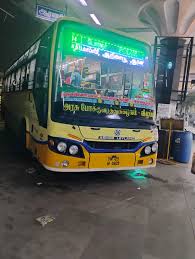
Introduction
The Tamil Nadu State Transport Corporation (TNSTC) plays a crucial role in providing public transport services across the state of Tamil Nadu, India. Established in 1972, TNSTC has become an essential part of daily commuting for millions of passengers. With the increasing growth of urbanization and the need for efficient transportation, TNSTC’s relevance has never been more pronounced.
Current Developments
Recently, TNSTC has been focusing on expanding its fleet and modernizing its services. In 2023, the corporation introduced a fleet of electric buses as part of the initiative to promote sustainable transport. These electric buses are not only eco-friendly but also offer passengers a comfortable travel experience. The government has allocated funds under the ‘Green Transport’ initiative to facilitate this transition.
Furthermore, TNSTC has enhanced its digital infrastructure, enabling users to track buses in real-time via mobile applications. This feature has significantly improved the passenger experience, reducing waiting times and increasing overall satisfaction. Recently, the implementation of cashless ticketing systems has made it easier for passengers to board without the need for physical currency, thereby promoting hygiene and efficiency.
Challenges and Future Prospects
Despite these advancements, TNSTC faces challenges such as rising operational costs and maintaining punctuality amidst increasing traffic congestion. However, the commitment from the Tamil Nadu government to invest in public transport infrastructure gives hope for a more streamlined operation in the coming years.
Conclusion
In conclusion, TNSTC continues to be a lifeline for many Tamil Nadu residents, adapting to modern needs while pushing towards a greener future. With the incorporation of electric buses and digital enhancements, the corporation is on a transformative path. As more investments flow into public transportation, TNSTC is expected to evolve further, offering improved services while ensuring a sustainable environment. For daily commuters, understanding these changes is essential as they navigate their intended journeys.


