Exploring the Wonders of Ranthambore National Park
Introduction
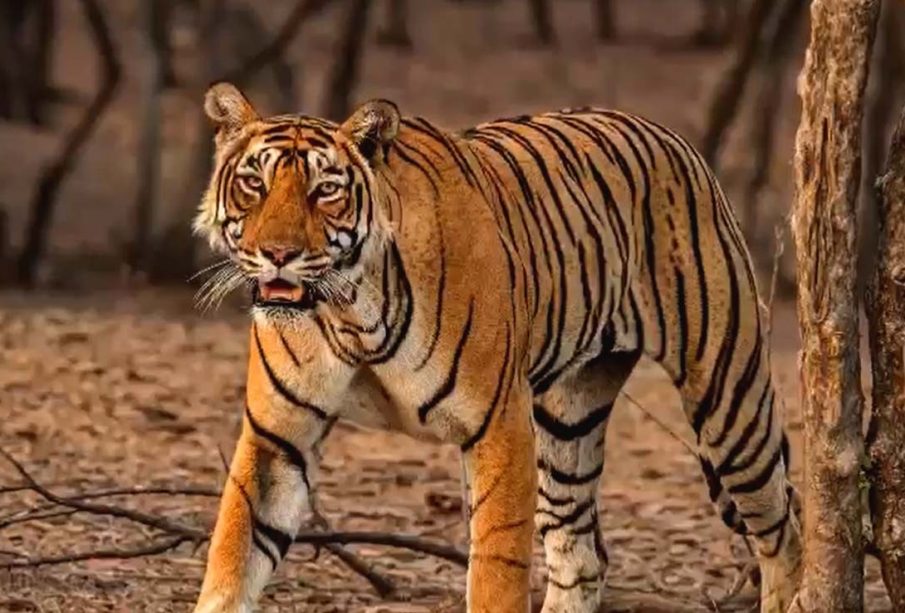
Ranthambore National Park, located in Rajasthan, India, is one of the largest national parks in the country and is renowned for its rich biodiversity and historical significance. This 392 square kilometer park, established in 1955, is a premier wildlife destination that attracts thousands of tourists each year who are eager to witness the majestic Bengal tiger in its natural habitat. The importance of Ranthambore lies not only in its diverse flora and fauna but also in its role in wildlife conservation efforts and ecotourism.
Main Body
Ranthambore serves as a habitat for a variety of wildlife species, including leopards, deer, crocodiles, and numerous bird species, making it a paradise for nature lovers. The park is divided into zones, each providing unique opportunities for wildlife viewing. With the recent completion of the tiger census, it was reported that Ranthambore boasts a healthy population of over 70 tigers, a significant increase from previous years, reflecting successful conservation initiatives.
In addition to its wildlife, the park is steeped in history, featuring the ancient Ranthambore Fort, a UNESCO World Heritage Site, which dates back to the 10th century. This fort not only enhances the park’s natural beauty but also offers a glimpse into the region’s rich past.
Recent events highlight the growing importance of sustainable tourism in the region. The local government has implemented various measures to ensure minimal environmental impact and to promote wildlife conservation. In 2023, a campaign was launched to educate tourists about responsible wildlife viewing, minimizing disturbances to animal behavior, and respecting their natural habitats.
Conclusion
The significance of Ranthambore National Park extends beyond its stunning landscapes and biodiversity; it acts as a vital conservation area and a model for sustainable tourism. With ongoing efforts to protect wildlife and promote ecotourism, Ranthambore remains not only a captivating travel destination but also a crucial site for preserving India’s natural heritage. As conservation awareness grows, Ranthambore is expected to solidify its position as an essential part of global wildlife conservation efforts, promising memorable experiences for generations to come.