Exploring the BRICS Countries and Their Global Impact
Introduction
BRICS, an acronym for Brazil, Russia, India, China, and South Africa, represents a significant coalition of emerging economies. This alliance not only serves as a crucial platform for dialogue and cooperation among its member nations but also aims to enhance their influence in global economic forums. In recent years, the importance of BRICS has surged, particularly in the face of shifting geopolitical dynamics and the quest for a multipolar world order.
Current Developments in BRICS
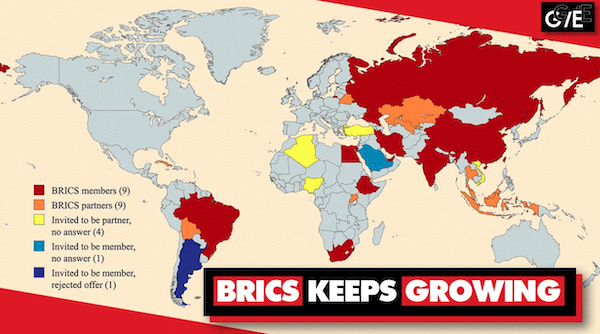
In August 2023, BRICS leaders convened for their 15th annual summit in Johannesburg, South Africa, where they focused on expanding the group’s outreach and economic cooperation. During this summit, six additional countries were invited to join the alliance: Argentina, Egypt, Ethiopia, Iran, Saudi Arabia, and the United Arab Emirates, effective from January 2024. This expansion aims to further diversify trade relations and promote economic growth among member nations.
Economic Growth and Trade
The BRICS nations collectively account for approximately 42% of the world’s population and about 23% of the global GDP. This alliance fosters a platform for economic collaboration, investment opportunities, and enhanced trade routes among the member countries. In recent years, there has been a reported increase in trade within the group, especially in sectors such as technology, agriculture, and renewable energy. Furthermore, these nations are also looking to facilitate greater use of local currencies in international trade to reduce dependence on the US dollar.
Challenges Ahead
Despite the optimistic outlook, BRICS countries face several challenges including socio-political tensions, differing economic systems, and varying levels of development. As they move forward with their ambitious goals of fostering collaboration, maintaining unity within the group will be crucial. Tensions between some members, like India and China, may pose hurdles in reaching consensus on key issues.
Conclusion
The expansion of BRICS and its growing influence in global politics and economics signify a shift in traditional power dynamics. As these emerging economies continue to collaborate on various fronts, the prospects for enhanced global trade and economic cooperation appear promising. With a focus on sustainable development and addressing common challenges, BRICS is likely to play a pivotal role in shaping the future of international relations.


