Exploring Flight Radar and Its Importance in Air Travel
Introduction
With the increasing number of flights across the globe, flight tracking has become a crucial aspect of air travel for both airlines and passengers. Flight radar technology provides real-time data on the location, speed, and altitude of aircraft, significantly enhancing travel safety, efficiency, and planning. As global air traffic rises, understanding how flight radar systems work and their importance is essential.
How Flight Radar Works
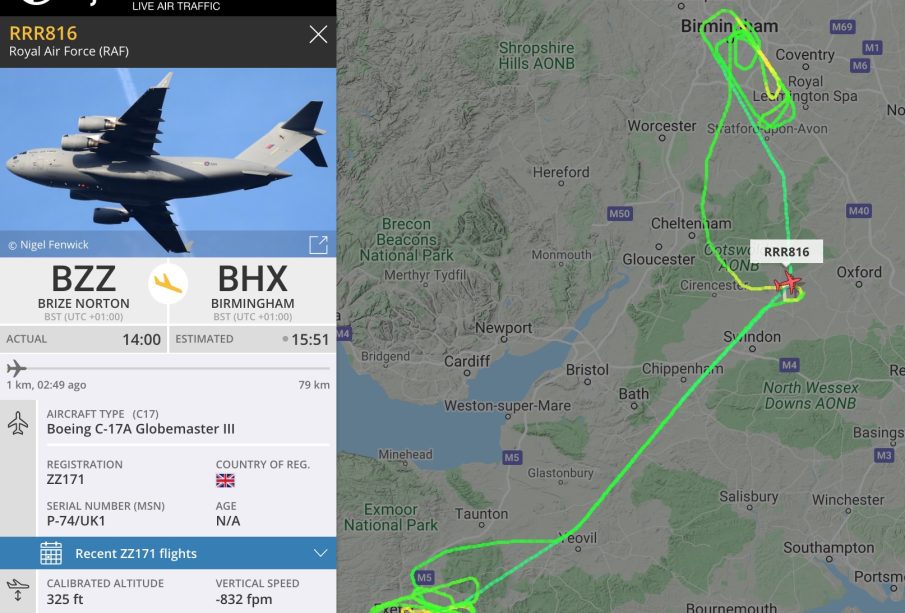
Flight radar primarily operates using two technologies: ADS-B (Automatic Dependent Surveillance–Broadcast) and radar tracking. ADS-B utilizes satellite and ground-based receivers to provide real-time information about an aircraft’s position, while traditional radar relies on ground stations that track planes via radio signals. This data is then processed and displayed on various platforms, allowing users to visualize flights on digital maps.
Current Trends and Developments
The flight radar industry has seen significant advancements in recent years. Major platforms such as Flightradar24 and FlightAware have enhanced user experience by introducing mobile applications and advanced features like flight alerts, detailed flight histories, and even integration with social media. Furthermore, the COVID-19 pandemic has led to an increased reliance on such technologies as they help passengers stay informed about travel restrictions, cancellations, and changes in flight schedules.
The Role of Flight Radar in Safety and Efficiency
Flight radar systems play an essential role in air traffic management and safety. By providing air traffic controllers with up-to-date information on flight movements, these systems help prevent collisions and ensure safe landings and takeoffs. Additionally, they allow airlines to optimize flight routes, thereby saving fuel and reducing their carbon footprint. Reports indicate that these systems have led to a notable increase in operational efficiency within the aviation industry.
Conclusion
The significance of flight radar technology in the modern aviation landscape cannot be overstated. It not only enhances safety for airlines and passengers but also contributes to the overall efficiency of air travel. As the aviation industry continues to evolve, embracing new technologies and data analytics, we can expect flight radar systems to become more sophisticated, allowing for even greater improvements in safety and reliability. Awareness of flight tracking tools also empowers travelers, enabling them to make informed decisions, avoid disruptions, and enhance their overall travel experience.


