epstein files pdf 2026 download: Redactions, DOJ Response, and Congressional Review
Introduction: Why the Epstein files matter
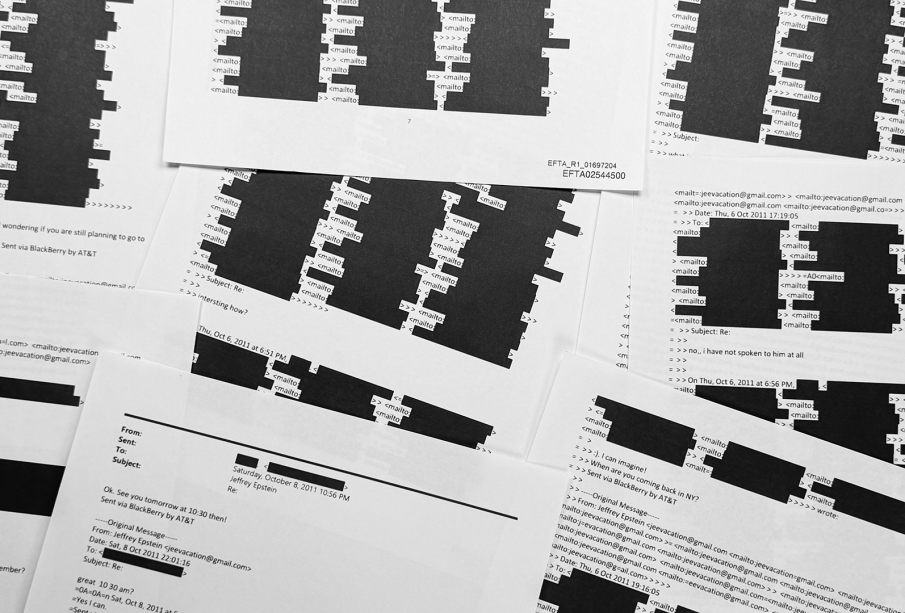
The availability and integrity of the Epstein files remain a high-profile public interest issue in early 2026. Reporting and public documents indicate ongoing disputes over the completeness and redaction of materials released by the Department of Justice. The question of whether the public and congressional committees can access unredacted records is being framed as important for transparency, victim privacy, and legal compliance.
Main developments and documented facts
Technical guide and public access
A technical note published on January 30, 2026, referenced efforts to download the original PDF from the DOJ site. That guide, circulated in public reporting, highlights continued attention on the mechanics of accessing released documents and the availability of full-text files for researchers and journalists.
Congressional request for unredacted review
On January 31, 2026, Representative Jamie Raskin sent a formal letter to Deputy Attorney General Todd Blanche requesting that the Department of Justice immediately arrange for Members and staff of the House Committee on the Judiciary to review the complete unredacted Epstein files the following week. The letter states that the DOJ identified over 6 million potentially responsive pages but released roughly half of them. It also notes that more than 200,000 pages were redacted or withheld, even as DOJ reportedly claimed full compliance with the governing statute.
Questions about the scope of redactions
The Raskin letter emphasizes statutory limits on withholding materials, noting that exemptions should be narrow, such as protecting victims’ personally identifiable information. The letter urges that documents should not be withheld for reasons of embarrassment, reputational harm, or political sensitivity, including to government officials, public figures, or foreign dignitaries. The correspondence also referenced an upcoming Committee hearing in which Attorney General Pam Bondi is scheduled to appear on February 11, 2026.
Analysis and reporting
Separate commentary published in January 2026 framed the matter as a leakage with implications for transparency and global accountability, and made full-text materials available for download in public reporting. These pieces contribute to public scrutiny and the demand for clearer disclosure.
Conclusion: What readers should watch
In the coming weeks, attention will focus on whether congressional reviewers gain access to unredacted files and whether the DOJ provides further explanation for its redactions. For readers, the developments underscore ongoing tensions between transparency, legal protections for victims, and the public interest in full disclosure. Further releases or committee findings could affect access to the full PDFs now circulating and shape expectations for official document transparency in 2026.


