England Cricket Team: Overview and Significance
Introduction: Why the England cricket team matters
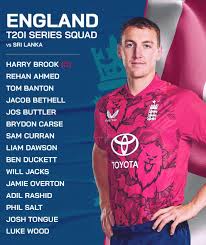
The England cricket team represents England and Wales in international cricket and is one of the sport’s oldest and most influential sides. Governed by the England and Wales Cricket Board (ECB), the team competes across Test, One-Day International (ODI) and Twenty20 International (T20I) formats. Its history, high-profile rivalries and role in developing modern white-ball strategies make it a central subject for fans, administrators and analysts worldwide.
Main body: Structure, formats and notable aspects
Governance and home venues
The England and Wales Cricket Board oversees selection, coaching and domestic pathways that feed the national side. Home fixtures are played at iconic venues such as Lord’s in London, The Oval, Old Trafford, and others across England and Wales, which serve as centers for international fixtures and domestic development.
Formats and international competition
England fields teams in all three international formats. Historically known for its Test cricket heritage and the Ashes rivalry with Australia, the team has in recent decades placed increasing emphasis on limited-overs performance. England won the 2019 ICC Cricket World Cup in a closely contested final, a milestone that reflected significant changes in white-ball tactics, player specialization and domestic support structures.
Style, development and domestic pathways
England’s approach has evolved with investment in coaching, analytics and performance systems. County cricket, the national academies and the Hundred franchise tournament contribute to talent identification and skill development. Emphasis on batting depth, power hitting in limited overs and versatile bowling options are features observers often associate with the team in contemporary international play.
Conclusion: Outlook and significance for readers
For followers of cricket, the England team remains important both for its historical legacy and its role in shaping modern approaches to the game. Looking ahead, priorities include balancing resources across formats, nurturing new talent from domestic competitions and adapting tactics as international cricket evolves. For readers, tracking England’s selections, domestic performance pipelines and tactical shifts offers insight into broader trends in international cricket and what fans can expect in upcoming tours and tournaments.


