earthquake today — What to know and how to stay safe
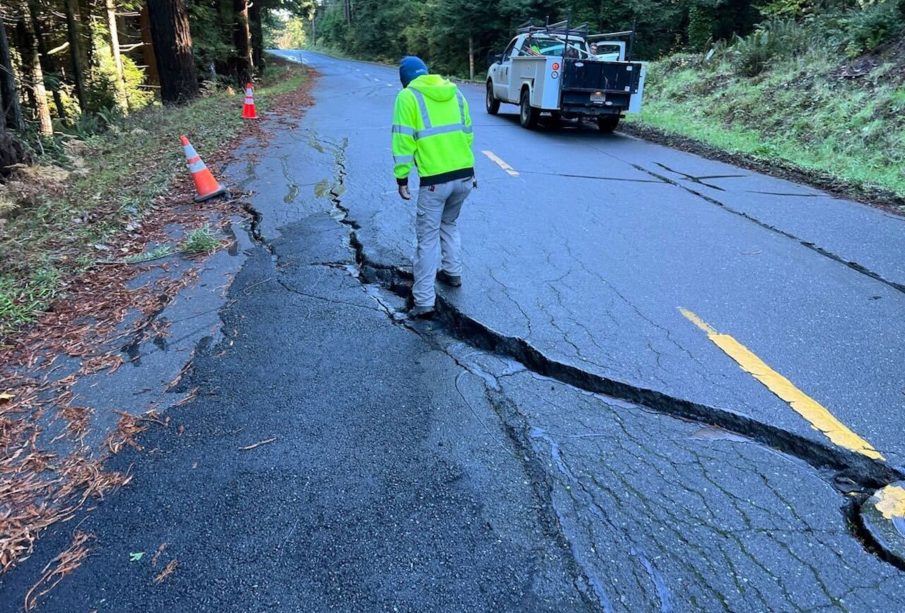
Introduction: Why “earthquake today” matters
Searches and reports labelled “earthquake today” often reflect immediate public concern about recent seismic activity. Earthquakes can occur without warning and their effects range from imperceptible tremors to serious damage. Timely, accurate information and basic preparedness reduce risk to life and property, so understanding how to verify reports and respond safely is essential.
Main details: Verifying reports and immediate actions
Verify the report
When you see or hear “earthquake today,” first check authoritative sources. National and regional seismological agencies, emergency management bodies and reputable news outlets publish verified data. In many countries, official agencies publish location, magnitude and advisory messages—use those channels rather than unconfirmed social posts. Global services also provide updates, but local agencies will have guidance relevant to your area.
Immediate safety steps
If you feel shaking, follow proven safety actions: Drop, Cover and Hold On. Move away from windows, heavy furniture and objects that can fall. If indoors, take cover under a sturdy table or against an interior wall; if outdoors, move to an open area away from buildings, streetlights and utility wires. In a vehicle, stop safely and remain inside until shaking stops. Be alert for aftershocks—these secondary quakes can follow minutes to days after an initial event and may cause additional damage.
After the shaking: assess and communicate
After shaking stops, check yourself and others for injuries and call emergency services if needed. Inspect your surroundings for hazards like gas leaks, electrical damage or structural instability; if you smell gas, shut off the supply if safe and ventilate the area. Use text messages or social media to report status when phone networks are congested, and follow official instructions on evacuations or sheltering.
Conclusion: Preparedness reduces harm
Seeing “earthquake today” in searches or feeds signals a need for calm verification and practical action. Rely on official seismological and emergency authorities for accurate updates, follow basic safety procedures during shaking, and maintain an emergency kit and family plan. While earthquakes themselves cannot be forecasted precisely, being prepared and informed significantly lowers risk and helps communities recover more quickly.


