Contributions of Madras High Court Judge GR Swaminathan
Introduction
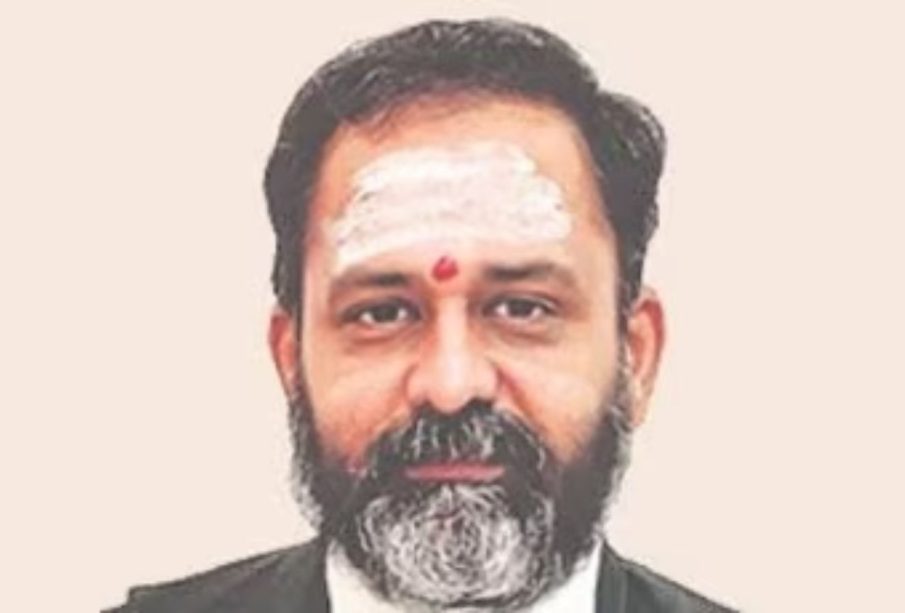
The role of judges in the Indian judiciary is pivotal to ensuring justice and upholding the law. Among the prominent figures in this realm is Justice G.R. Swaminathan of the Madras High Court. Appointed to the bench in 2019, his tenure has been marked by several landmark judgments and significant contributions to the legal landscape in India.
Judicial Milestones
Justice G.R. Swaminathan has presided over numerous significant cases that have not only influenced the outcome of individual litigations but also set important precedents in Indian law. His decisions often reflect a balance between upholding the law and addressing contemporary societal issues. For instance, he has ruled on matters concerning environmental law, women’s rights, and public interest litigations, showcasing his commitment to social justice.
In a recent case regarding the rights of transgenders, Judge Swaminathan’s judgment has been noted for its proactive approach towards inclusivity. This particular ruling emphasized the need for equal rights and protection under the law for all citizens, particularly marginalized communities. His stance resonated with advocates for human rights and has sparked discussions surrounding the evolving legal framework concerning gender identity in India.
Public Engagement and Transparency
In addition to his courtroom decisions, Justice Swaminathan has been an advocate for judicial transparency and accessibility. He has participated in various seminars and public forums, discussing reforms in the judiciary and the importance of public engagement in legal processes. His views on making legal proceedings more comprehensible to the general populace indicate a forward-thinking approach, aiming to demystify the law and encourage citizen participation in judicial matters.
Conclusion
The legacy of Justice G.R. Swaminathan in the Madras High Court is one of progressive interpretation of laws and a dedication to ensuring justice is served fairly. As he continues to address complex legal issues, the impact of his judgments is expected to resonate beyond the courtroom, shaping the future of law and justice in India. Legal scholars, practitioners, and the public alike are keenly observing his contributions, anticipating that his rulings will catalyze further discussions on law reform and human rights, setting a notable precedent for future generations.