Trump’s Address to the Nation: Update on Operation Epic Fury
Introduction: Why the Address Matters
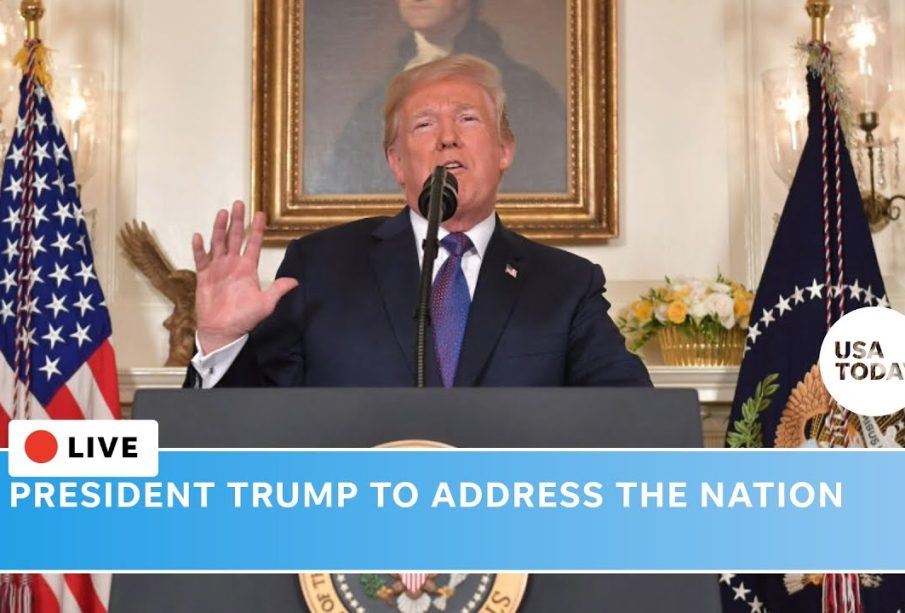
President Donald Trump’s latest trump address to the nation comes amid a widening Middle East conflict and heightened global concern. The speech is significant because it purports to update the public on Operation Epic Fury, U.S. military actions against Iran, and potential changes to U.S. posture in the Strait of Hormuz—an important chokepoint for global energy supplies. With reports of missile strikes, diplomatic claims, and regional interceptions, the address aims to inform both domestic and international audiences about the administration’s objectives and claimed results.
Main developments and reported facts
Claims made in the address
In a primetime presentation described by White House materials as an update on “Operation Epic Fury,” the president outlined what the administration called decisive military achievements. The White House asserted that U.S. forces had delivered swift strikes that reportedly degraded Iran’s naval and air capabilities, targeted terrorist leaders, and sought to dismantle threats to the United States and its partners. According to reports of the address, the president said the war could be “finished” in two to three weeks.
Related events on the ground
The speech followed days of escalating incidents. On March 31, Iran reportedly fired missiles across the region and explosions were reported in its capital. Earlier reporting noted that the Israeli military was working to intercept a missile launched from Yemen. The White House had warned Iran it could target its oil export hub, power stations and desalination plants during the campaign.
Claims, social posts and international reactions
In a morning social media post before the address, the president wrote that “Iran’s New Regime President” wanted a ceasefire; it was not clear whom he meant, since Iran’s presidency remained unchanged in reports. Iran’s Foreign Ministry spokesman, Esmail Baghaei, characterized that claim as “false and baseless” on state television. Separately, Iran’s state media reported that Iranian President Masoud Pezeshkian said Tehran would be ready to end the conflict in exchange for security guarantees.
Conclusion: Immediate significance and what to watch
The address consolidates the administration’s public narrative about Operation Epic Fury and signals intended short-term timelines for the campaign. Reactions from Iranian officials and ongoing regional missile activity underscore persistent uncertainty and risk of further escalation. Observers should monitor official live briefings, diplomatic responses, and independent reporting for verification of military claims and any shifts in U.S. policy toward the Strait of Hormuz and regional partners. For readers, the address is a key source of the U.S. government’s stated aims, but on-the-ground verification and international diplomatic developments will determine its lasting impact.