Live Weather: Why Real-Time Conditions Matter for Daily Life
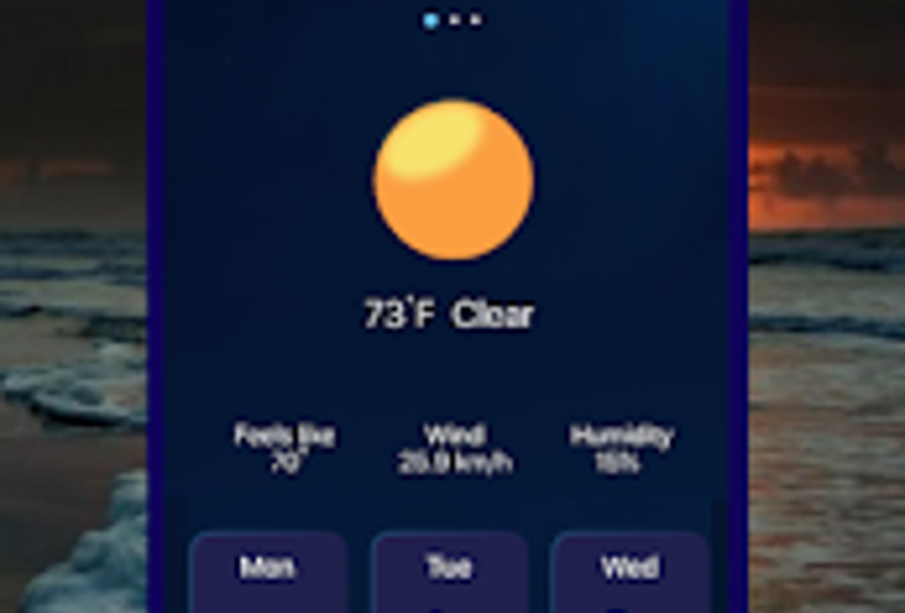
Introduction: The importance of live weather
Live weather information has become an essential part of daily life, helping individuals and organizations make timely decisions. Access to current conditions and near real-time updates can influence travel plans, outdoor work, event scheduling, and personal safety. Given its broad relevance, understanding what live weather provides and how to use it is valuable for readers across communities.
Main body: How live weather works and why it matters
What is live weather?
Live weather refers to current atmospheric observations and near real-time updates about conditions such as temperature, precipitation, wind, humidity and visibility. These observations are typically collected continuously and presented through various platforms so users can see what is happening now rather than relying solely on longer-term forecasts.
Sources and delivery
Live weather data is made available through multiple channels to reach different audiences. Many people access live weather through mobile apps, websites, broadcast services or integrated systems used by businesses. The immediacy of live weather updates allows users to receive alerts and visualizations that reflect present conditions.
Applications and benefits
Live weather supports a wide range of activities. Commuters and travelers use it to choose routes and departure times. Event organizers rely on current conditions to make on-the-spot decisions about outdoor gatherings. Industries such as construction, agriculture and logistics use live weather to protect workers, optimize operations and reduce risk. In emergency situations, access to live weather can be critical for response planning and public safety communications.
Limitations and best practices
While live weather offers immediate insight, it is best used in combination with short-term and extended forecasts to understand trends and expected changes. Users should consider the source and update frequency of live weather information and cross-check critical details when making safety-related decisions.
Conclusion: Significance and outlook
Live weather is a practical tool that enhances situational awareness and decision-making. By combining real-time observations with forecast information and local context, readers can better plan activities and respond to changing conditions. As access to live weather continues to expand, its role in daily routines and safety planning is likely to grow, making familiarity with live weather information increasingly important.