Once Upon a Time in Hollywood: Tarantino’s 2019 Film Explained
Introduction
Once Upon a Time in Hollywood is a 2019 film by Quentin Tarantino that has drawn attention for its blend of fiction and real historical events. The film matters both as a major work in Tarantino’s career and as a cultural reflection on late-1960s Los Angeles, a moment marked by Hollywood change and the shadow of the Manson Family murders. For cinephiles and general audiences, it serves as an example of contemporary filmmaking that revisits, reimagines and interrogates cultural memory.
Main Body
Production and Cast
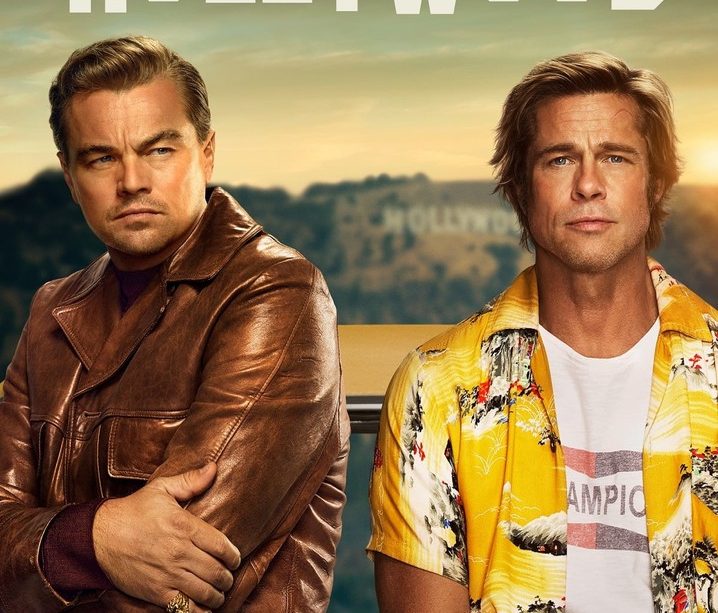
Directed and written by Quentin Tarantino, Once Upon a Time in Hollywood stars Leonardo DiCaprio as Rick Dalton, a television actor struggling to maintain his career, and Brad Pitt as Cliff Booth, his longtime stunt double and friend. Margot Robbie portrays Sharon Tate, a rising actress whose real-life fate provides the film’s historical anchor. The film runs about 161 minutes and was released in 2019 to wide international distribution. Cinematography, period production design, costumes and a curated soundtrack recreate the look and feel of 1969 Los Angeles.
Plot and Historical Context
The narrative follows the fictional arc of Rick Dalton and Cliff Booth as they navigate an industry in transition. Tarantino sets their personal stories against the backdrop of Hollywood’s changing landscape and the threat posed by Charles Manson’s followers. While many characters and scenes are fictional or dramatized, the film deliberately engages with real events and figures to probe questions of celebrity, violence and mythmaking. Tarantino’s approach mixes homage, pastiche and an alternate-historical sensibility.
Reception and Awards
Once Upon a Time in Hollywood received strong attention from critics and awards bodies. It earned multiple nominations at major ceremonies, including ten Academy Award nominations, and won two Oscars: Best Supporting Actor for Brad Pitt and Best Production Design. The film also performed well commercially, grossing several hundred million dollars worldwide. Reviews praised performances (particularly Pitt and DiCaprio), production design and atmosphere, while some critics debated pacing and thematic choices.
Conclusion
Once Upon a Time in Hollywood holds significance as a high-profile, revisionist period piece from one of contemporary cinema’s most distinctive directors. Its combination of strong performances, meticulous production and controversial engagement with history ensures ongoing discussion among audiences and scholars. For viewers, the film offers both an immersive portrait of late-1960s Hollywood and a prompt to consider how cinema reshapes collective memory.