Gold price: Drivers, implications and outlook for investors
Introduction: Why the gold price matters
The gold price is closely watched by investors, consumers and policymakers because it serves as a barometer of economic uncertainty and a store of value. Movements in the gold price affect household decisions on jewellery purchases, the balance sheets of central banks, and the strategies of portfolio managers. Understanding the main forces behind price changes helps readers make informed choices about saving, investing and hedging risk.
Main body: Key factors and market developments
Monetary policy and interest rates
Interest-rate expectations and monetary policy actions are primary determinants of the gold price. When real yields fall or central banks adopt looser policy, gold often becomes more attractive because its opportunity cost declines. Conversely, rising real rates can weigh on gold, as alternate interest-bearing assets become relatively more appealing.
US dollar and global liquidity
The strength of the US dollar tends to move inversely with the gold price. A weaker dollar generally supports higher gold valuations in other currencies, aiding demand. Shifts in global liquidity and risk sentiment—driven by economic data, inflation readings and fiscal policy—also influence investor flows into bullion and gold-backed exchange-traded funds.
Demand from consumers and central banks
Physical demand for gold from major markets such as India and China remains a structural influence on prices. Jewellery and retail buying in these countries, alongside purchases by central banks aiming to diversify reserves, underpin long-term demand. Seasonal and cultural factors can cause periodic changes in local demand patterns.
Geopolitical risk and safe-haven demand
Periods of geopolitical tension or financial market stress tend to boost safe-haven demand for gold. Even without specific events, investor risk aversion can shift allocations toward bullion, supporting the price.
Conclusion: Outlook and implications for readers
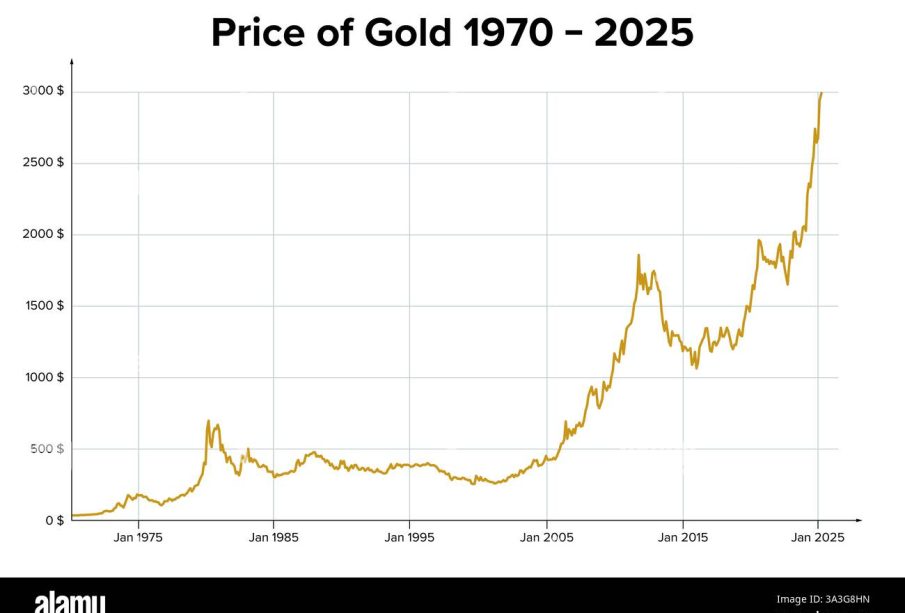
Looking ahead, the gold price is likely to remain sensitive to interest-rate expectations, dollar movements, and shifts in global risk sentiment. For consumers in gold-consuming markets, short-term price swings may affect timing of purchases. For investors, gold continues to offer portfolio diversification and an inflation hedge, but its near-term path will depend on macroeconomic data and central bank actions. Monitoring these drivers can help readers assess when gold fits their financial objectives and risk tolerance.