Why Blockchain Technology Matters: Uses, Challenges and Future
Introduction: Why blockchain technology matters
Blockchain technology has emerged as a significant innovation with potential to reshape financial services, supply chains, identity management and public administration. Its relevance stems from core properties — decentralisation, transparency and tamper-resistance — which address trust and verification challenges in digital transactions. For businesses, regulators and citizens, understanding blockchain technology is increasingly important for evaluating investment, compliance and service-delivery decisions.
Main body: What blockchain technology does and where it is used
How it works
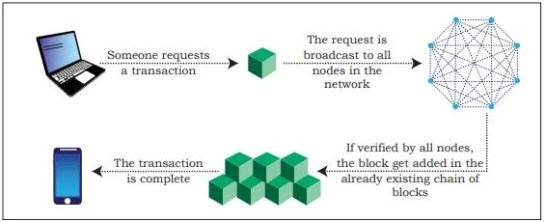
At its simplest, a blockchain is a distributed ledger that records transactions in linked blocks. Consensus mechanisms ensure that network participants agree on the contents of the ledger, while cryptographic techniques protect data integrity. Smart contracts—self-executing code stored on a blockchain—enable automated enforcement of rules when predefined conditions are met.
Key applications
Blockchain technology has been deployed across several sectors. In finance, it supports faster settlements, cross-border remittances and new token-based instruments. In supply chains, it improves traceability and provenance, helping verify origin and reduce fraud. Digital identity solutions use blockchain elements to give individuals greater control of personal data. Other areas of experimentation include healthcare records, land registries and digital voting, where auditability and immutability can add value.
Challenges and considerations
Despite its promise, blockchain technology faces practical constraints. Scalability and transaction throughput vary by design and can limit large-scale deployment. Energy consumption is a concern for some consensus methods, and privacy protection requires careful architecture choices. Interoperability between different blockchains and legacy systems remains an active technical challenge. Additionally, regulatory clarity and governance models are essential for mainstream adoption, since legal frameworks influence how blockchain-based services operate.
Conclusion: Outlook and significance for readers
Blockchain technology is likely to continue evolving through hybrid and permissioned models that balance decentralisation with performance and compliance. For businesses and citizens, the immediate outlook involves targeted pilots and selective integration where benefits outweigh costs. Readers should monitor how standards, regulatory guidance and enterprise deployments develop, because these will shape practical opportunities—ranging from faster payments and cleaner supply chains to new service models that change how trust is managed in the digital economy.