What Instagram End to End Encryption Means for Users
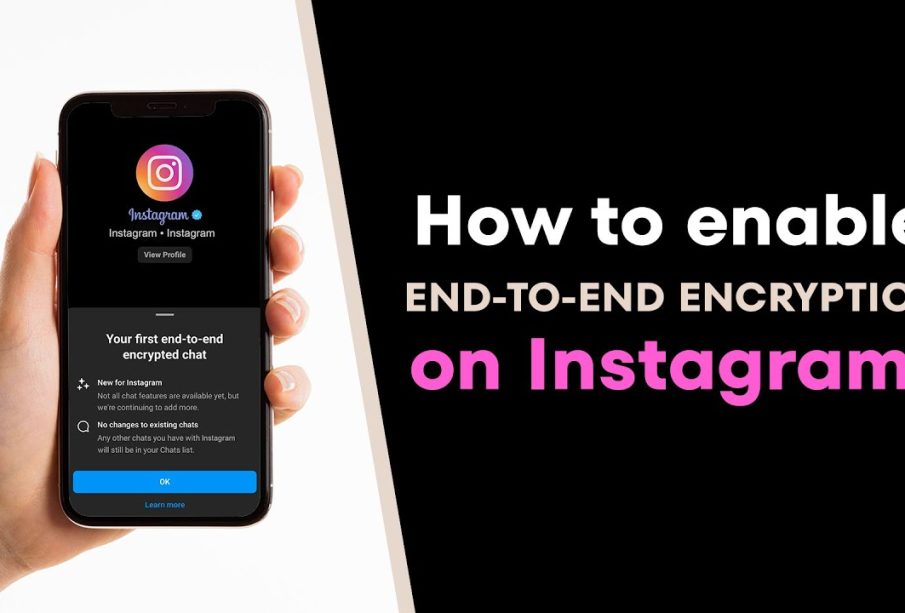
Introduction: Why Instagram end to end encryption matters
End-to-end encryption (E2EE) on Instagram has become a crucial topic for users, privacy advocates and regulators. As messaging moves increasingly to platforms owned by Meta, changes to how direct messages are secured affect personal privacy, platform responsibility and law enforcement access. Understanding Instagram end to end encryption is important for anyone who uses the service to communicate private information.
Main developments and key facts
What E2EE does
End-to-end encryption ensures that message contents are encrypted on the sender’s device and can only be decrypted by the intended recipient’s device. In practical terms, this means Meta should not be able to read the content of encrypted chats, reducing risks of unauthorized access if servers are compromised.
Where Instagram stands
Meta has been testing end-to-end encryption across its messaging services, including Instagram Direct and Facebook Messenger. Trials and phased rollouts have focused initially on one-to-one chats, with group chats, backups and some safety features treated more cautiously. At times Meta has offered E2EE as an optional setting during testing rather than the default for all messages.
Privacy versus safety and regulation
While E2EE enhances user privacy, it raises questions about detecting abuse, child exploitation and cooperation with lawful requests. Meta and regulators have debated technical and policy measures to balance encryption with safety—such as reporting tools that let users flag content, metadata-based policing, and mechanisms for lawful access—without giving platforms full access to message contents. These discussions remain ongoing in multiple jurisdictions.
Conclusion: What users should expect
For users, Instagram end to end encryption promises stronger privacy for private conversations but may come with limitations in scope and timing. Expect staged rollouts, optional settings at first, and continued debate about safety controls. Users should keep apps updated, review message settings, and use E2EE where available for sensitive conversations. Policymakers and platforms will likely continue negotiating technical solutions that aim to protect both privacy and public safety.