Weather Shimla: What to Expect Throughout the Year
Introduction
Weather in Shimla is a matter of public interest because it shapes tourism, local livelihoods and transport across the hill region. As a popular hill station in Himachal Pradesh, Shimla’s climate affects everything from summer holiday plans to winter snowfall services and monsoon safety. Understanding typical patterns and potential hazards helps residents, visitors and authorities prepare and respond effectively.
Main body
Climate overview
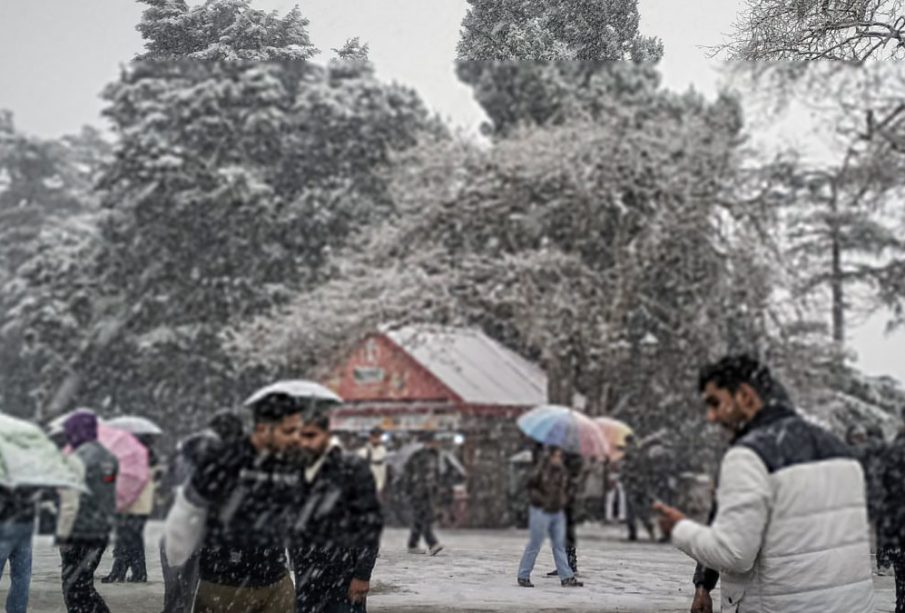
Shimla, at an elevation of about 2,200 metres, has a temperate highland climate (Köppen Cwb). Summers (April–June) are mild, with daytime temperatures commonly between 15°C and 25°C, drawing tourists escaping the plains. The monsoon (June–September) brings the heaviest rainfall—July and August are typically wettest—raising risks of landslides and travel disruption on narrow mountain roads. Winters (December–February) are cold; daytime highs often remain around 0–10°C and nights can fall below freezing. Snowfall is most frequent from December through February, attracting visitors but sometimes leading to road closures and service interruptions.
Impacts and recent tendencies
Weather patterns in Shimla influence tourism demand, local agriculture and infrastructure planning. Monsoon rains can trigger slope instability and localized flooding, while intense winter snowfall may disrupt electricity and transport. In recent seasons, observers have noted year-to-year variability—shifts in the timing of snowfall and occasional unseasonal rain events—highlighting the need for flexible preparedness. Authorities and local services monitor conditions closely during peak seasons to manage crowds, clear roads and issue timely advisories.
Safety and travel guidance
Visitors should plan according to the season: April–June and September–November are generally preferred for stable weather and scenic views; monsoon travel requires caution due to potential landslides; winter visits demand winter tyres, warm clothing and readiness for delays. Residents and travelers are advised to consult official sources such as the India Meteorological Department (IMD) and local administration for up-to-date forecasts and advisories.
Conclusion
Weather Shimla remains seasonally distinct—mild summers, a rain-prone monsoon and snowy winters—each with opportunities and risks. While these patterns provide a reliable framework for planning, climate variability can alter timing and intensity. For safety and convenience, check official forecasts before travel, allow extra time during monsoon and winter months, and follow local advisories.