India population: 2026 estimates and ongoing trends
Introduction: Why india population matters
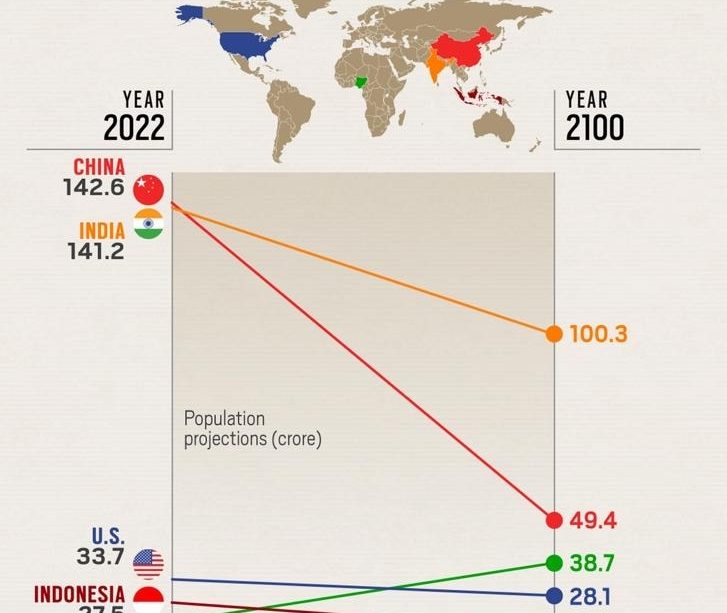
Population size and structure are central to planning for education, health, infrastructure and the economy. India’s demographic trajectory affects global markets, domestic service provision and social policy. Recent sources show sustained growth over decades, making the topic relevant for policymakers, planners and citizens.
Main body: Recent figures and key indicators
Long-term growth
Historical data show that India’s population grew from about 361 million in 1951 to over 1.4 billion by 2023 (Wikipedia). This long-term rise reflects declining mortality, earlier high fertility and improvements in public health and living standards over several decades.
Latest estimates
Multiple data providers report closely aligned contemporary estimates. Data Commons lists India’s population at 1,432,052,000 in 2026. Public compilations such as Worldometer reference United Nations population estimates and annual country-level time series (1950–2026), underscoring that India’s population remains in the 1.4-billion range in recent years.
Related demographic indicators
Data sources tied to these population totals also track other measures that shape how that population translates into social needs: fertility rates, population growth rate, urban versus rural shares, and density (people per km²). Health indicators highlighted in available datasets include child wasting and severe wasting among children under five, signaling nutrition and public-health challenges that accompany large populations. Urbanization trends and state-level population breakdowns are also tracked, reflecting uneven distribution of people and services across the country.
Conclusion: Implications and outlook
India’s continued large population—exceeding 1.4 billion in recent years and estimated around 1.432 billion in 2026—carries practical implications. Policymakers must align investments in health, nutrition, urban infrastructure and education with demographic realities, while monitoring fertility, migration and age structure to anticipate future needs. Public data platforms and international estimates provide a foundation for evidence-based planning; ongoing attention to child health and urban-rural dynamics will be critical for converting demographic scale into equitable development outcomes.