Nuclear power countries — Global snapshot (2024)
Introduction: Why nuclear power countries matter
Nuclear power countries play a critical role in the global energy mix, providing a low‑carbon source of baseload electricity. As concerns about climate change and energy security grow, understanding which nations use nuclear power, how much they rely on it, and the related geopolitical context is increasingly relevant for policymakers, businesses and citizens.
Main body: Current landscape and key facts
Scale and share
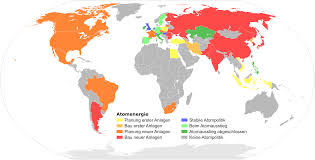
As of 2024, nuclear power plants operate in 31 countries and together generate about a tenth of the world’s electricity. This means nuclear power countries collectively supply a significant, though not dominant, portion of global electricity demand.
Leading producers and reliance on nuclear
The United States is the largest producer of nuclear electricity in absolute terms. France stands out for its reliance on nuclear energy: roughly 65% of France’s electricity comes from nuclear plants, the highest national share. Among the 31 countries operating reactors, only four—France, Slovakia, Belgium and Ukraine—obtain a majority of their electricity from nuclear power as of 2024.
Countries with high nuclear share
Measured by the share of national electricity supplied by nuclear, several smaller or mid‑sized systems also depend heavily on atomic power. Recent data shows Switzerland (32.4%), South Korea (31.5%), Armenia (31.1%) and Belarus (28.6%) rank high by nuclear share, reflecting diverse national strategies and histories in the set of nuclear power countries.
Former operators and geographic distribution
Some nations once operated reactors but currently have no operating nuclear power plants. The group of nuclear power countries is geographically varied, including long‑established programs in North America, Europe and East Asia as well as newer entrants in other regions.
Security context: weapons and arsenals
Separately, nine countries possess nuclear weapons: the United States, Russia, France, China, the United Kingdom, Pakistan, India, Israel and North Korea. Major nuclear‑armed states are increasing certain aspects of their arsenals; for instance, Russia’s total inventory is estimated at roughly 6,000 warheads, with about 1,584 deployed. The United Kingdom and France maintain smaller deployed forces—around 120 operationally available warheads for the UK and roughly 290 deployed for France—underscoring the dual civil and military dimensions of nuclear technology.
Conclusion: Implications and outlook
nuclear power countries will remain important to the global energy transition: they supply reliable low‑carbon electricity in many systems while raising questions about long‑term waste management, safety and geopolitical risk. For readers, the 2024 picture shows a modest global reliance—about 10% of electricity—concentrated in a limited set of countries. Future developments will depend on national policy choices, investment in new reactors and ongoing debates about the role of nuclear power in decarbonization and security strategies.