GCC Countries: Members, Capitals and ICRC Activities
Introduction: Why GCC countries matter
The Gulf Cooperation Council (GCC) countries are a key regional bloc in the Arab world, combining political, economic and security cooperation. Understanding the GCC and its members is important for readers following regional diplomacy, humanitarian engagement and transnational cooperation. The GCC—officially the Council for the Arab States of the Gulf—brings together six states and operates in an Arabic-language environment, making its decisions and partnerships significant for regional stability and international actors.
Main body: Composition, capitals and humanitarian presence
Members and structure
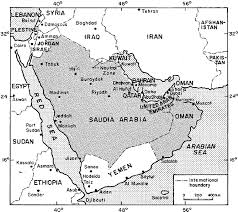
The GCC is a regional, intergovernmental, political and economic union and military alliance comprising Bahrain, Kuwait, Oman, Qatar, Saudi Arabia and the United Arab Emirates. The organisation promotes cooperation across multiple domains among its member states.
Capitals and language
Source information lists capitals associated with several member states: Kuwait (Kuwait), Muscat (Oman), Doha (Qatar), Riyadh (Saudi Arabia) and Abu Dhabi (United Arab Emirates). Arabic is cited as the official language across the GCC countries in the provided material.
Humanitarian engagement: ICRC activities
The International Committee of the Red Cross (ICRC) maintains a presence and conducts activities across all six GCC countries. The ICRC has had a presence in Oman since 2015 and in Saudi Arabia since 2017. Within the region the organisation engages in promoting respect for the rules of war and facilitating its global operations through dialogue with governments, civil society, military and diplomatic officials.
Operational work described in the source includes detention visits, efforts to clarify the fate of missing persons, family reunification for those affected by conflict and migration, and close cooperation with National Red Crescent Societies. The ICRC works closely with the National Red Crescent Societies or authorities in Bahrain, Kuwait, Qatar, Saudi Arabia and the UAE, providing humanitarian diplomacy, policy exchanges, technical trainings and volunteer capacity building.
Conclusion: Significance and outlook
The GCC countries form a compact regional bloc whose internal coordination and external partnerships, including humanitarian engagement with the ICRC and National Red Crescent Societies, shape outcomes for affected populations and regional stability. Continued dialogue, technical training and capacity building — as highlighted in the source — point to sustained cooperation on humanitarian issues. For readers, this implies that monitoring GCC institutional initiatives and humanitarian partnerships will remain important for understanding developments in the Gulf region.