Understanding icc ranking: Impact on Cricket Teams and Players
Why icc ranking matters
The icc ranking system is a widely watched barometer in international cricket, used by fans, selectors and administrators to compare teams and individual players across formats. Rankings influence perceptions of form and strength, affect tournament seedings in some events, and can shape selection and scheduling decisions. For followers of the sport, rankings provide a simple, quantitative snapshot of performance over time.
How the rankings work
Teams and formats
ICC maintains separate ranking lists for teams in Test, One-Day International (ODI) and Twenty20 International (T20I) cricket. Each list reflects results in that format, with points awarded for match outcomes and adjusted for the quality of opposition and match context. Team ratings are produced from accumulated points divided by matches played, producing a score that can be compared across sides.
Players and roles
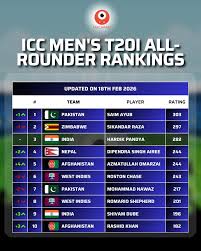
Individual icc ranking lists cover batsmen, bowlers and all-rounders in each format. Player ratings account for runs, wickets, strike rates and the significance of performances (for example, scoring runs against a strong bowling attack or taking key wickets in a close match typically earns more points). Recent performances carry greater weight, so the lists tend to reflect current form while still recognising sustained excellence.
Practical effects and recent trends
Rankings are used for seeding in some ICC events and are referenced when determining player reputations, award shortlists and commercial valuations. The rise of T20 franchise cricket has increased attention on T20I rankings, while Test and ODI rankings continue to inform traditional comparisons and legacy discussions. Because the system rewards consistency, teams that prioritise balanced scheduling and player rotation often maintain stronger positions over time.
Conclusion and outlook
icс ranking lists remain a key part of modern cricket’s information landscape. While they do not tell the whole story—conditions, injuries and match context also matter—the rankings give a transparent, data-driven view of relative strength. Fans and professionals should use the ICC’s official site for up-to-date standings, and expect rankings to stay influential for selections, seeding and commercial decisions as the game evolves, particularly with growing emphasis on limited-overs formats.