Namibia country: Geography, economy and conservation overview
Introduction: Why namibia country matters
Namibia country is a low-density, resource-rich nation in southwestern Africa whose geography, conservation efforts and political stability make it regionally significant. Understanding Namibia helps readers appreciate challenges and opportunities in sustainable resource use, tourism and climate resilience in a country that balances mining-driven growth with wildlife protection.
Main body: Key facts and developments
Location, people and governance
Situated on the south-western coast of the African continent, Namibia gained independence in 1990 and Windhoek serves as its capital. English is the official language, and the country is known for having one of the lowest population densities in the world. Namibia maintains a multi-party democratic system and is often cited for relative political stability in the region.
Economy and natural resources
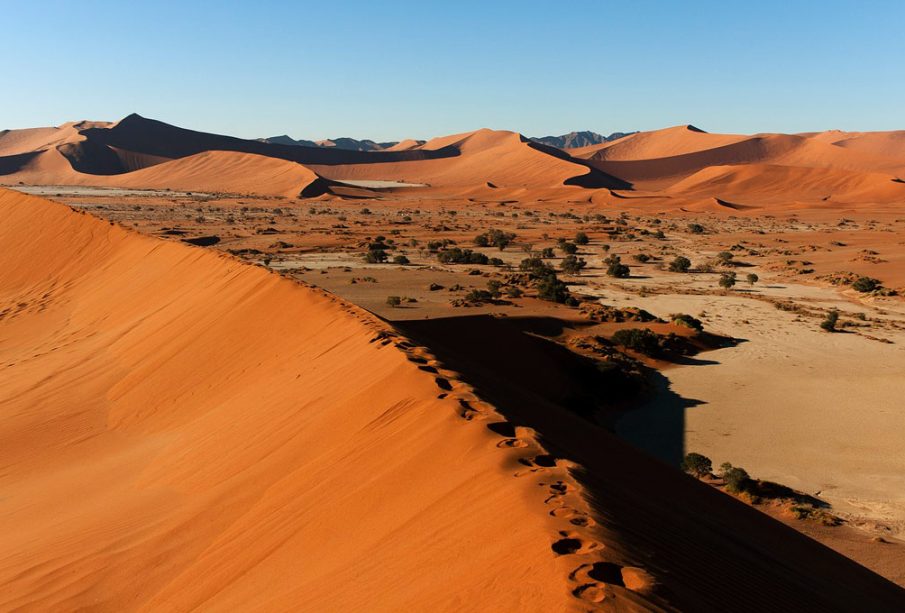
The economy relies heavily on natural resources and export sectors. Mining—particularly diamonds, uranium and other minerals—has been a major export earner. Fishing along the Atlantic coast and a growing tourism industry centered on striking landscapes also contribute to foreign exchange. The Namib and Kalahari deserts and large conservation areas are central to nature-based tourism.
Conservation and biodiversity
Namibia is internationally recognized for progressive wildlife and habitat conservation policies, including community-based natural resource management. Protected areas such as large national parks and desert ecosystems support iconic species and attract eco-tourism. Conservation is tied closely to livelihoods in many rural communities.
Challenges: climate, inequality and infrastructure
Despite its strengths, Namibia faces challenges: water scarcity in arid regions, high unemployment and inequality, and dependence on commodity exports that can be price-sensitive. Infrastructure gaps and the need for diversified, inclusive growth are policy priorities. Renewable energy potential—solar and wind—offers opportunities to improve energy security and support sustainable development.
Conclusion: Outlook and significance for readers
Namibia country presents a mix of conservation leadership and economic dependency on natural resources. For travelers, investors and policy observers, Namibia offers important lessons on balancing development with environmental stewardship. Going forward, diversification, climate adaptation and inclusive policies will shape how Namibia converts its natural advantages into broader social and economic gains.