Emily Brontë — Wuthering Heights: Overview and Significance
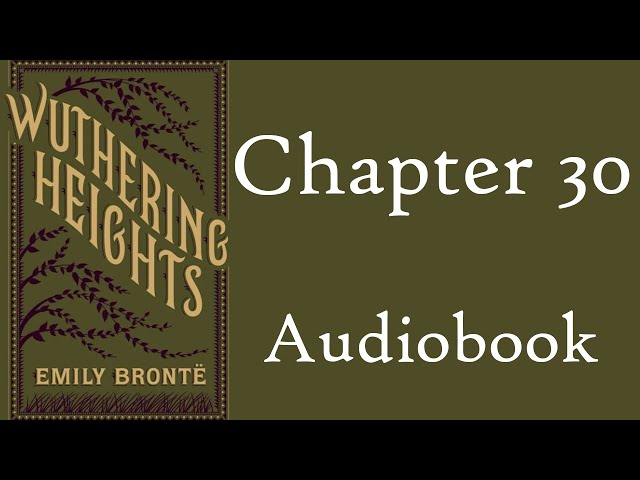
Introduction: Why Emily Brontë and Wuthering Heights matter
Emily Brontë’s Wuthering Heights remains one of the most discussed works of English literature. First published in 1847 under the pen name “Ellis Bell,” the novel’s intense portrayal of passion, revenge and the natural landscape transformed expectations of the Victorian novel. Understanding Emily Brontë and Wuthering Heights is important for readers and students because it offers insights into narrative innovation, psychological complexity and the social tensions of its era.
Main body: Facts, structure and themes
Publication and authorship
Emily Brontë (1818–1848) wrote only one novel in her lifetime. Wuthering Heights appeared in 1847 alongside Anne Brontë’s Agnes Grey in a three-volume set. Emily used the pseudonym Ellis Bell, as the Brontë sisters initially sought anonymity in a publishing world dominated by men. Critical response at the time was mixed, but the novel soon gained recognition for its originality.
Setting and narrative technique
Set on the Yorkshire moors, the novel uses a framed narrative: Mr. Lockwood encounters the inhabitants of Thrushcross Grange and Wuthering Heights and records stories told mainly by the housekeeper Nelly Dean. This layered narration creates ambiguity about reliability and deepens the psychological portrait of characters like Heathcliff and Catherine Earnshaw.
Major themes and characters
Central themes include passionate but destructive love, social class and inheritance, revenge, and the interplay between nature and temperament. Heathcliff, an outsider adopted into the Earnshaw household, and Catherine Earnshaw, whose choices trigger tragedy, are central figures. Their relationship drives much of the novel’s emotional force and moral complexity.
Reception and influence
Although early critics found its tone unsettling, later generations have celebrated the novel’s daring form and emotional intensity. Wuthering Heights has influenced gothic and modernist writers and inspired numerous stage, film and television adaptations.
Conclusion: Enduring significance and what readers gain
Emily Brontë’s Wuthering Heights endures because it challenges readers to confront raw human emotions and ambiguous moral choices. Its layered narration and stark moorland setting guarantee continuing scholarly interest and popular reinterpretation. For contemporary readers, the novel offers a study in psychological realism and the cultural limits of Victorian society—topics that remain relevant to literary study and to anyone interested in the complexities of love, identity and social exclusion.