Key highlights of Budget 2026: Capex, manufacturing and reforms
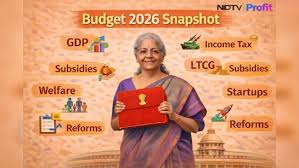
Introduction: Why the key highlights of Budget 2026 matter
The key highlights of Budget 2026 outline the government’s fiscal priorities and structural reforms at a time when India is consolidating economic growth. Changes in public capital expenditure, sectoral manufacturing pushes and measures to boost private investment are immediately relevant to businesses, investors and households. Observers will watch how these announcements translate into job creation, competitiveness and public services over the coming year.
Main body: Detailed highlights and context
Higher public capital expenditure
One of the central announcements in the Budget 2026 is an increase in public capital expenditure to ₹12.2 trillion for FY2026–27. Elevated capex signals an emphasis on infrastructure and long-term asset creation, which can crowd in private investment and support medium-term growth.
REITs and asset recycling
The Budget proposes setting up dedicated REITs to accelerate recycling of capital through real-estate investment trusts. This measure aims to unlock value from public and private assets and channel proceeds into new projects, potentially improving the efficiency of infrastructure financing.
Manufacturing and industrial strategy
To boost India’s manufacturing base, the Budget targets scaling up production in seven strategic and frontier sectors. Coupled with plans to rejuvenate legacy industrial sectors, these steps are intended to strengthen supply chains, attract investment and foster higher-value manufacturing activity.
Support for MSMEs and enterprise
The government announced initiatives to create “Champion MSMEs,” a focused effort to upgrade small and medium enterprises through technology adoption, market access and capacity building. These measures complement broader industrial policy aimed at improving competitiveness across firm sizes.
Broader social and innovation context
Commentary accompanying the Budget stressed that India’s health and education spending still lags BRICS peers despite economic growth. The Economic Survey reminder that India’s expenditure on R&D is about 0.6 percent of GDP highlights gaps in innovation financing that policymakers may need to address alongside the Budget measures.
Conclusion: Implications and outlook
The key highlights of Budget 2026 prioritize public capex, targeted manufacturing support, asset recycling via REITs and focused MSME development. If implemented effectively, these moves can accelerate investment and structural transformation. Attention will now shift to execution, sectoral roll-out and how complementary spending on health, education and R&D is strengthened to sustain inclusive long-term growth.