Gurgaon Weather: What Residents Need to Know
Introduction
Gurgaon weather affects millions who live, work and travel in this rapidly growing urban corridor adjacent to Delhi. Understanding local weather patterns is important for commuters, construction projects, health planning and municipal services. Timely awareness of seasonal shifts—heatwaves, monsoon rains or winter fog—helps residents and authorities reduce disruption and health risks.
Main body
Seasonal patterns and typical conditions
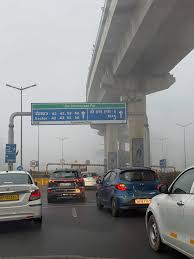
Gurgaon (Gurugram) experiences a subtropical climate. Summers (April–June) are typically hot, with daytime heat peaking before the onset of the southwest monsoon. The monsoon season (usually June–September) brings concentrated rainfall that can cause waterlogging in low-lying areas and impact traffic. Winters (November–February) are generally cool to mild, with occasional cold spells and early-morning fog that may reduce visibility. Transitional months can be marked by sudden temperature swings.
Local impacts and concerns
Weather in Gurgaon has practical consequences across sectors. Heavy monsoon rain can delay commuting and slow construction schedules, while poor drainage can lead to temporary flooding in some neighbourhoods. Hot spells increase the risk of heat-related illness for outdoor workers and vulnerable groups. In winter, regional factors such as crop residue burning and stagnant air can lead to spikes in air pollution, affecting respiratory health and prompting advisories from environmental agencies.
How residents can prepare
Residents and businesses are advised to monitor forecasts from the India Meteorological Department (IMD) and local municipal alerts for real-time information. During heat periods, stay hydrated, limit outdoor exertion during peak hours and ensure shaded rest for outdoor workers. In the monsoon, plan travel with extra time, check drainage in buildings and secure loose materials at construction sites. When air quality deteriorates, follow advisories from the Central Pollution Control Board (CPCB) and use masks or air purifiers as appropriate.
Conclusion
Gurgaon weather has clear seasonal patterns but can produce rapid changes that affect daily life, health and infrastructure. Keeping informed through official forecasts and local alerts allows residents to plan travel, protect vulnerable people and reduce disruption. For precise, up-to-date conditions and warnings, consult the IMD, municipal notifications and air-quality monitors before making important plans.