Impact of the Recent Earthquake in Delhi
Introduction
The recent earthquake in Delhi has raised significant concerns among residents and authorities alike. Earthquakes can pose serious hazards, and understanding their impact is crucial for the safety and preparedness of urban populations. Delhi, a densely populated city, is particularly vulnerable due to its infrastructure and seismic history. This article aims to provide an overview of the recent earthquake, its effects, and implications.
Details of the Earthquake
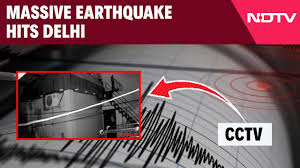
On March 26, 2023, an earthquake measuring 5.3 on the Richter scale struck Delhi at approximately 4:30 PM. The epicenter was reported to be located near the town of Ambala in Haryana, around 200 kilometers from the capital. Residents across the city felt the tremors, which lasted for about 20-30 seconds. Initial reports indicated that there was no significant damage to infrastructure, but emergency services were placed on high alert as a precaution.
Government Response
The Delhi Disaster Management Authority (DDMA) immediately convened an emergency meeting following the earthquake. Officials assessed potential risks and ensured that essential services remained operational. The Chief Minister urged citizens to remain calm and instructed local authorities to conduct safety checks on buildings, particularly older structures that may not have been retrofitted to withstand seismic activity.
Public Reaction
Residents expressed a mix of fear and resilience following the tremor. Many took to social media to share their experiences and photos of evacuated buildings, highlighting a collective sense of community during moments of crisis. Several residents reported that the tremors rattled them, prompting immediate evacuation from high-rise buildings. In the wake of the earthquake, there has been increased discussion about Beijing-like initiatives to develop an earthquake-resilient urban framework in Delhi.
Conclusion
The recent earthquake in Delhi serves as a reminder of the region’s seismic vulnerability. While immediate damage was minimal, the event has rekindled discussions about disaster preparedness, urban planning, and community resilience against natural disasters. Experts emphasize the importance of establishing stricter building codes and implementing education programs to prepare the public for such occurrences. With climate events becoming more unpredictable, it’s crucial for residents to remain alert and for the government to enhance disaster responsiveness for a safer future.