Overview of the UEFA Women’s Champions League
Introduction
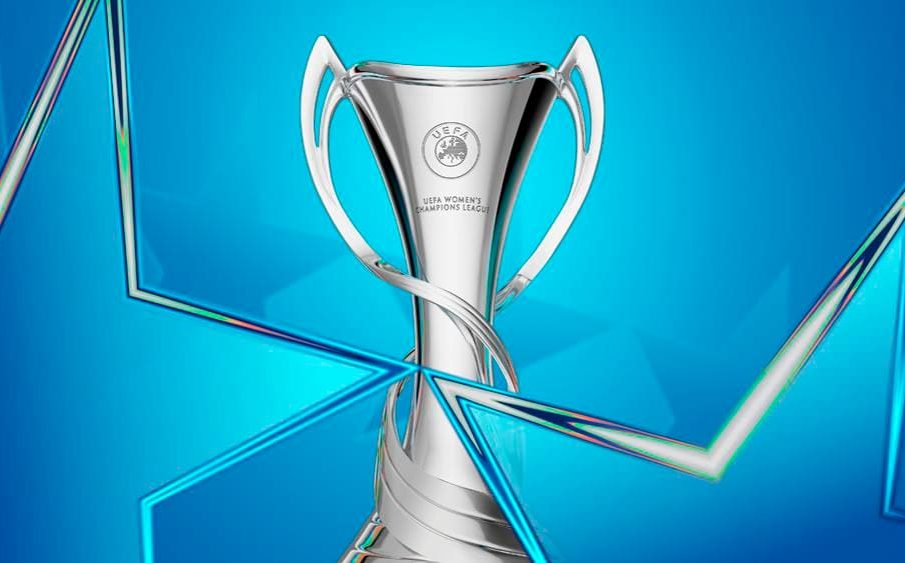
The UEFA Women’s Champions League (UWCL) has emerged as a vital platform for women’s football, exemplifying the growth and increasing popularity of the sport. Established in 2001, the tournament brings together top clubs from Europe, showcasing not just the skill of athletes but also promoting female participation in sports globally. Its relevance has surged in recent years as media coverage and fan engagement have expanded, drawing more attention to women’s football.
Recent Developments
The 2023-2024 season of the UWCL has been particularly exciting, with numerous clubs vying for the coveted title. Notably, Barcelona, Chelsea, and Wolfsburg have shown exceptional form in their respective leagues, setting the stage for a fierce competition. The tournament has seen increased financial investment, enhanced broadcasting rights, and better facilities, illustrating a commitment to elevating women’s football to new heights.
The current format features 16 teams in the group stage, followed by knockout rounds, culminating in the final, which has packed stadiums and garnered significant viewership. Recent matches have highlighted the prowess of players such as Sam Kerr from Chelsea and Aitana Bonmatí from Barcelona, who have drawn attention for their remarkable performances on the field.
Impact and Future Prospects
The UWCL not only fosters sporting excellence but also plays a crucial role in advocating for gender equality in sports. With initiatives aimed at improving facilities and opportunities for women’s football, the league has become a catalyst for change. The increasing investment from corporations and governing bodies signifies a promising future for the league, further solidifying its place in the global sports arena.
According to recent reports, sponsorships and partnerships are at an all-time high, allowing clubs to enhance their training and development programs. This will likely lead to the emergence of a new generation of talented players, ensuring a competitive and dynamic landscape for years to come.
Conclusion
The UEFA Women’s Champions League stands as a testament to the growth and potential of women’s sports on an international scale. As interest in women’s football continues to rise, fueled by enthusiastic fans and increased visibility, the UWCL is set to play a pivotal role in shaping the future of the game. Readers can expect more thrilling matches, remarkable talent, and an unwavering commitment to promoting female athletes as the league evolves.