Exploring the Right to Disconnect Bill in India
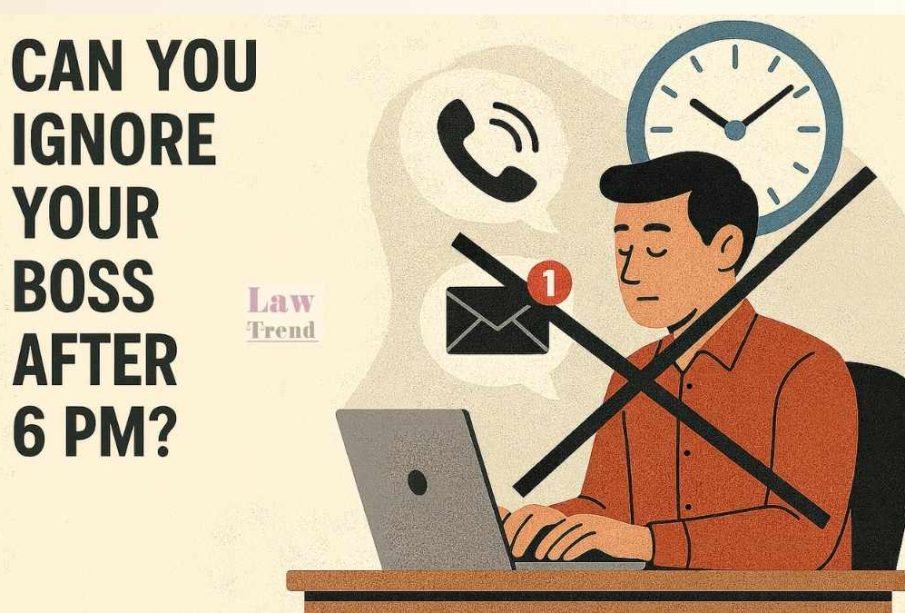
Introduction
The Right to Disconnect Bill is a significant legislative proposal aimed at safeguarding workers’ rights to maintain a healthy work-life balance, particularly in the wake of the ongoing digital transformation and remote working trends accelerated by the COVID-19 pandemic. As more employees find themselves fielding work communications outside of traditional office hours, this bill addresses a pressing concern that affects mental well-being and productivity.
The Current Landscape
In India, many workers have reported feeling overwhelmed by the expectation to be constantly accessible through emails and messaging platforms. According to a recent survey by the International Labour Organization (ILO), nearly 65% of Indian employees feel pressure to respond to work calls and messages after hours. This constant connectivity can lead to burnout and decreased job satisfaction.
Provisions of the Bill
The Right to Disconnect Bill, introduced in the Indian Parliament, proposes that workers should have the fundamental right to disconnect from work after their official hours without facing any repercussions. Key provisions of the bill include:
- Employees shall not be penalized for not responding to work communications outside of their designated work hours.
- Employers will be required to establish clear guidelines regarding after-hours communication.
- Companies must ensure that employees are equipped to disconnect from work without hindrance to their career advancement.
This bill aims to not only enhance employee welfare but also contribute to greater overall productivity by enabling workers to recharge and engage in personal activities.
Global Perspective
Globally, several countries have already adopted similar measures. For instance, France enacted the “Right to Disconnect” law in 2017, which provides employees with the right to not engage in work communications during their off hours. Following France’s lead, countries like Italy and Spain are also considering similar legislation aimed at protecting workers’ mental health.
Conclusion
The Right to Disconnect Bill is an essential step towards ensuring the well-being of employees in India. By formally recognizing the need for work-life balance, the bill reflects an evolving understanding of modern workplace dynamics. If passed, this legislation could set a precedent for reforms in labor laws, significantly impacting the future of work in India. As discussions around the bill progress, it will be crucial for businesses to align their practices with new regulations to foster a healthier work environment.