Understanding the 8th Pay Commission DA Merger
Introduction
The ongoing discussions surrounding the 8th Pay Commission’s recommendations, specifically the merger of Dearness Allowance (DA) are crucial for millions of government employees across India. As inflationary pressures mount, the DA merger aims to provide relief and ensure fair compensation for public sector workers. This topic is gaining importance as it directly impacts the livelihood of many families in the country.
Details on the DA Merger
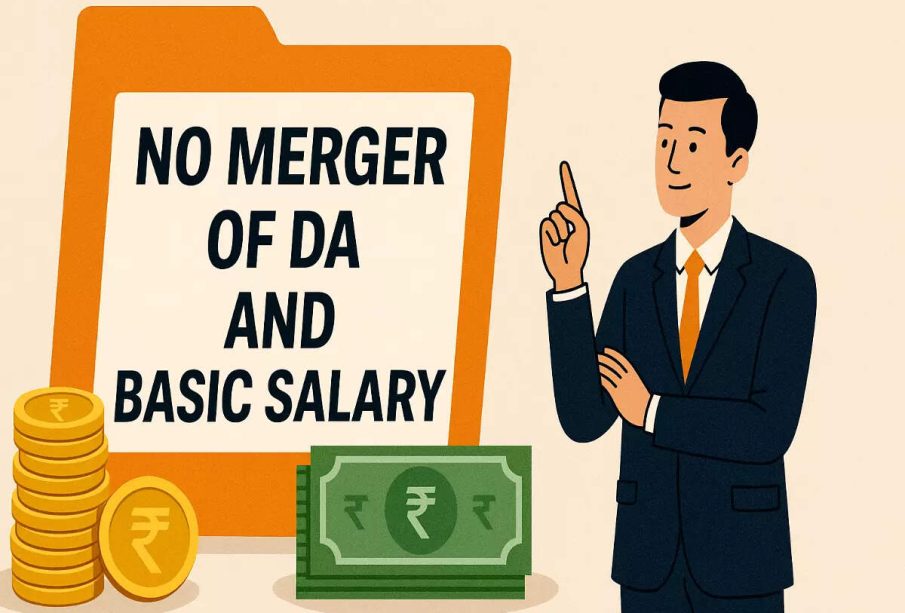
Recent reports indicate that the Union Cabinet is considering the merger of DA with the basic pay, which could lead to a significant increase in salaries for government employees. The 8th Pay Commission was constituted to review the pay scales, which has not been revised since the last commission’s recommendations.
The DA, which is adjusted based on inflation rates, provides essential financial support to employees. As of now, the DA is at 34% of the basic pay, and many unions are advocating for its immediate merger. With prices rising, the need for this measure becomes even more pressing.
Government Stance and Reactions
The government has been under pressure from various employee unions to expedite the decision regarding the DA merger. Former and current employees have expressed hopes that this move will help align salaries more closely with rising living costs. Finance Ministry officials stated that they are evaluating the economic implications of this decision, ensuring that it balances employee welfare and fiscal responsibility.
Impact and Future Projections
If approved, the merger of DA could increase the overall salary structure significantly, thereby affecting not just government employees but also pensioners and other associated benefits. Economists predict that this could lead to increased consumer spending which may give a boost to the economy, particularly in rural sectors.
Conclusion
In conclusion, the merger of DA as part of the 8th Pay Commission recommendations holds significant implications for millions of government employees in India. As discussions continue, stakeholders await a resolution that reflects both the growing needs of employees and the government’s economic capabilities. Observers are encouraged to remain updated on the proceedings, as the decision could transform financial stability for many households across the nation.